At a glance
The trillion-dollar hangover
In 2023 two Dartmouth College geographers, Christopher Callahan and Justin Mankin, asked in the journal Science whether El Niño keeps economies down. Their answer was striking: growth slowed for at least five years after a major event, and in some places for far longer. Over the five years after each, they estimated that the 1982-83 El Niño cost the world economy about US$4.1 trillion and the 1997-98 event about US$5.7 trillion. They put the potential cost of the 2023-24 El Niño at up to US$3 trillion by 2029.
| Event | Estimated cost |
|---|---|
| 1982-83, world economy (5 years after) | About US$4.1 trillion (Callahan & Mankin) |
| 1997-98, world economy (5 years after) | About US$5.7 trillion (Callahan & Mankin) |
| 1997-98, direct global losses | US$32-96 billion (UN-sponsored review) |
| 1997-98, Peru | About US$3.5 billion, 6.2% of GDP |
| 1997-98, Ecuador | About US$2.9 billion (CAF) |
| 2015, Indonesia's fires | At least US$16.1 billion, 1.9% of GDP (World Bank) |
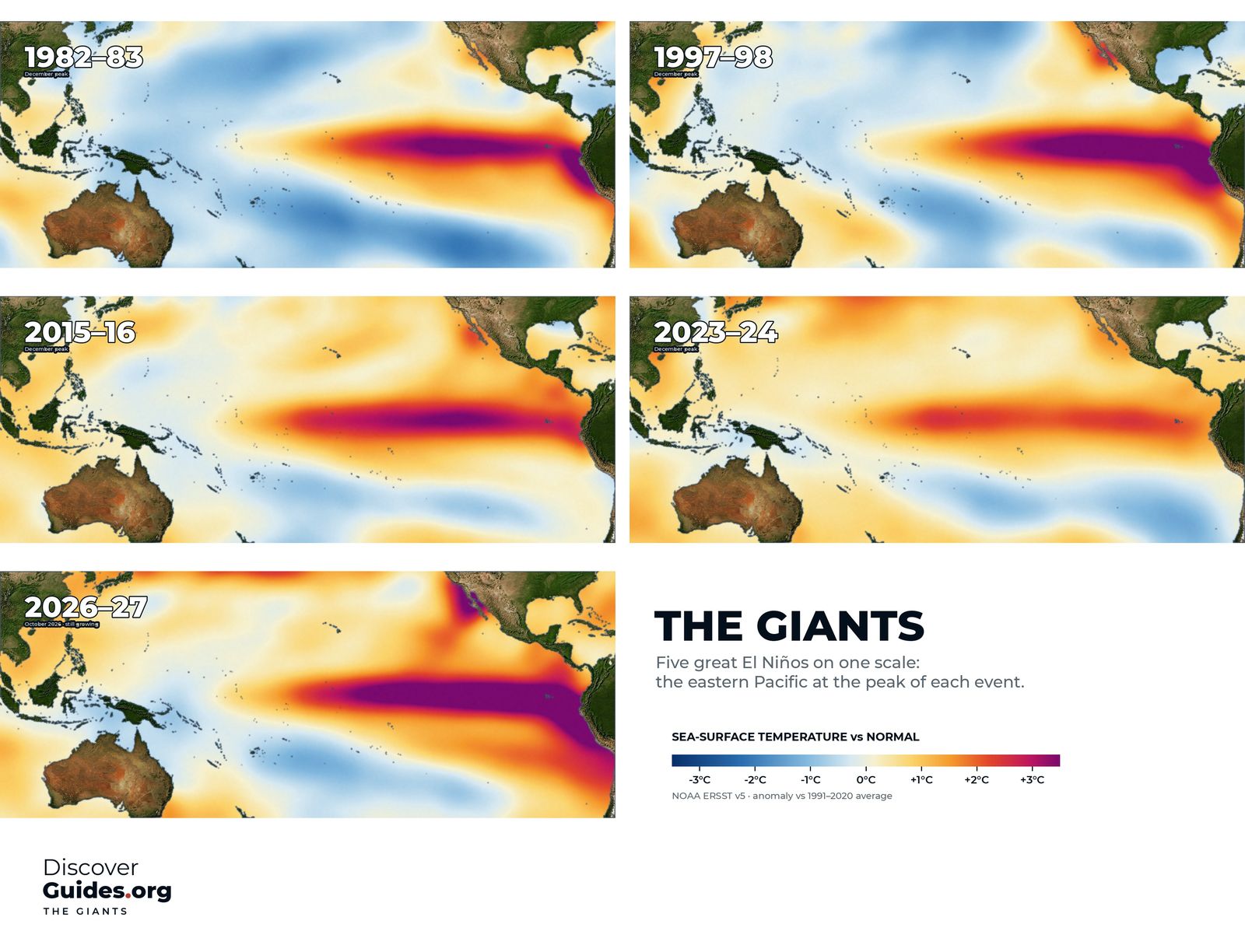
The graphic at the top of this page compares the giant El Niños that produced these bills (see The Strongest El Niños in History).
Winners and losers
El Niño's shock does not land evenly. A 2015 International Monetary Fund working paper by Paul Cashin, Kamiar Mohaddes and Mehdi Raissi modelled 21 economies using data from 1979 to 2013. It found short-lived falls in output in Australia, Chile, India, Indonesia, Japan, New Zealand and South Africa, but growth-enhancing effects in the United States and Europe. Most economies in the sample also faced short-term inflation as energy and non-fuel commodity prices rose.
Food
Food markets show how quickly fear of a shortfall spreads. In August 2023 the FAO All Rice Price Index rose 9.8 per cent in a month to its highest nominal level in 15 years, after India, the world's largest rice exporter, banned exports of Indica white rice. FAO warned that El Niño could also constrain output in other Asian exporters.
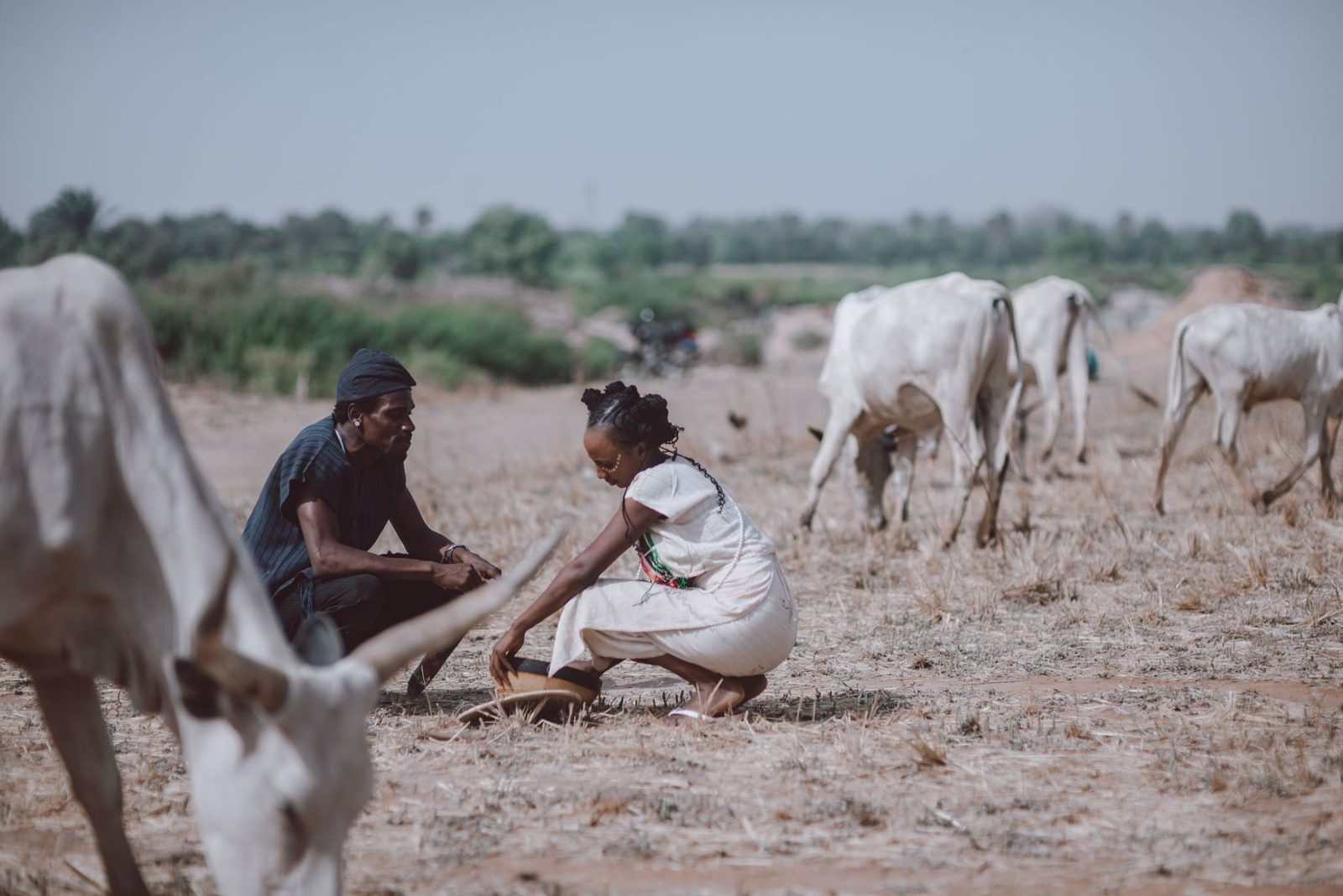
In southern Africa the 2023-24 drought cut Zimbabwe's maize harvest by about 72 per cent and Zambia's by about half; maize prices in Malawi ran 160 per cent above the five-year average (see El Niño and Southern Africa). In Central America's Dry Corridor, the 2015-16 event cost two harvests in a row, with losses of 50 to 90 per cent and 3.5 million people needing assistance.
Fish, ships and power
- Fisheries: Peru's anchoveta catch fell from 13.1 million tonnes in 1970 to 1.7 million in 1973 (see El Niño 1972-73).
- Shipping: the Panama Canal cut daily transits to 22 in December 2023, against 36 normally (see El Niño and the Panama Canal).
- Hydropower: Lake Kariba's usable water fell to about 13.6 per cent of capacity by April 2024.
Forecasts save money
One telling number comes from California. NOAA historians record that storm damage there in 1997-98 was about US$1.1 billion, half the US$2.2 billion of 1982-83, and credit the forecasts with giving people up to six months to prepare. Because El Niño can be forecast months ahead, humanitarian agencies now practise anticipatory action, releasing money and help before a shock peaks. In 2026 FAO and the World Food Programme launched a joint appeal covering June 2026 to March 2027 to protect nearly nine million people in 22 countries.
Insurance can work the same way. In northern Peru, El Niño insurance pays out in January if the sea off the coast stays extremely warm in November and December, before the worst rains arrive (see Coastal El Niño).

What households and businesses can do
- Follow official outlooks. National weather services translate El Niño into local rain and temperature forecasts.
- Plan water early. Shift planting dates or crop varieties; manage reservoirs before the dry season, not during it.
- Check supply chains. Build in slack for canal, river or hydropower routes in El Niño years.
Questions
How much does El Niño cost the world economy?
A 2023 study in Science estimated that the 1982-83 El Niño cost the world about US$4.1 trillion and the 1997-98 event about US$5.7 trillion in lost income over the following five years.
Does El Niño raise food prices?
It can. Most economies studied by the IMF faced short-term inflation after El Niño shocks, and in August 2023 rice prices jumped 9.8 per cent in a month after India restricted exports amid El Niño concerns.
Which countries lose most from El Niño?
The IMF study found short-lived output falls in Australia, Chile, India, Indonesia, Japan, New Zealand and South Africa. Countries whose farming and fishing sit directly in El Niño's path, such as Peru, have the most at stake.
Can El Niño's costs be reduced?
Yes. Forecasts months ahead allow anticipatory action. California's 1997-98 storm damage was half that of 1982-83, partly because forecasts gave people time to prepare.