At a glance
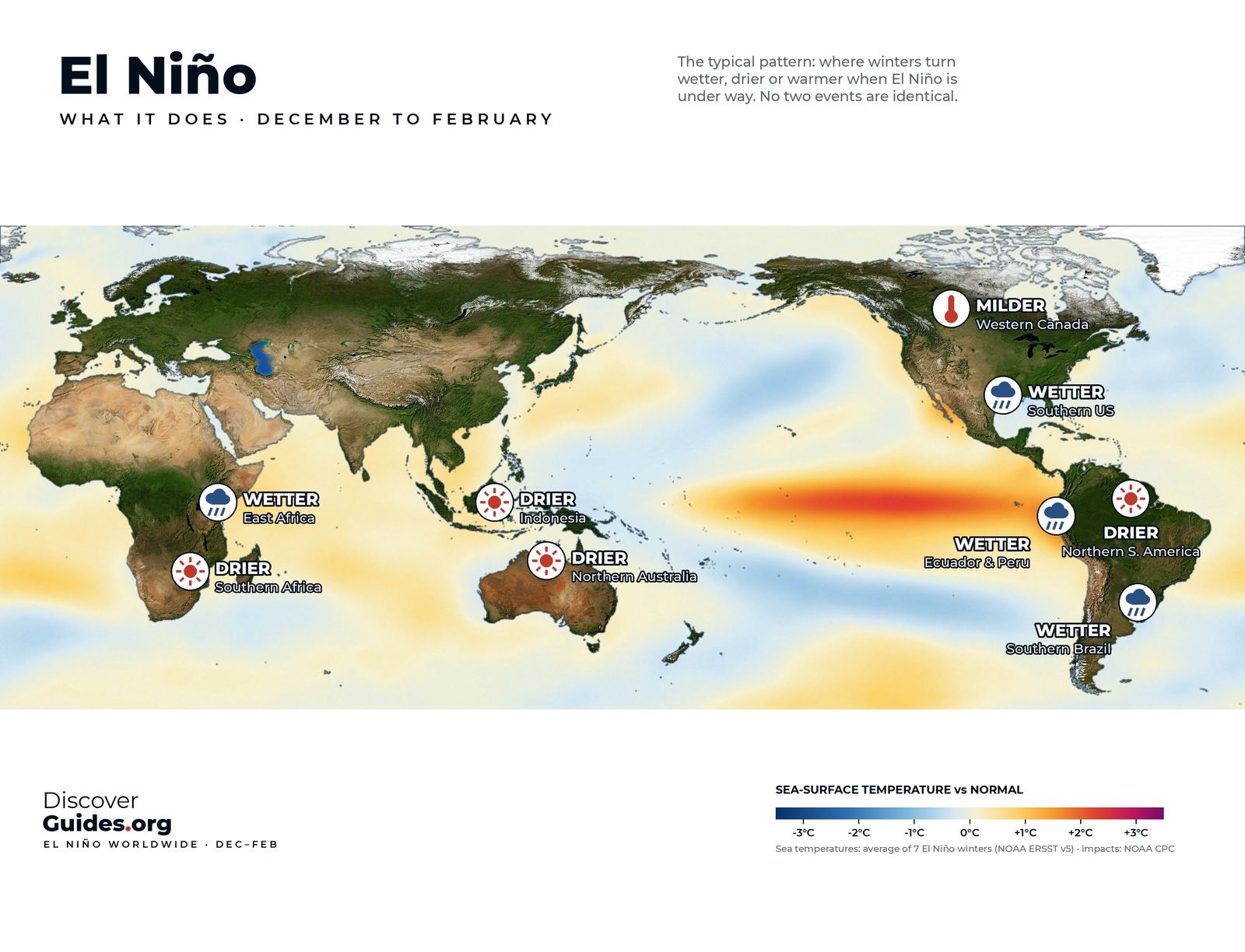
NOAA's Climate Prediction Center lists southern Africa among the regions that tend to dry out in an El Niño northern winter, which is the southern summer rainy season (see the map at the top of this page). Africa shows one of the clearest see-saws: equatorial East Africa tends to turn wetter while southern Africa dries (see What El Niño Means for Weather Around the World).
2024: the driest February
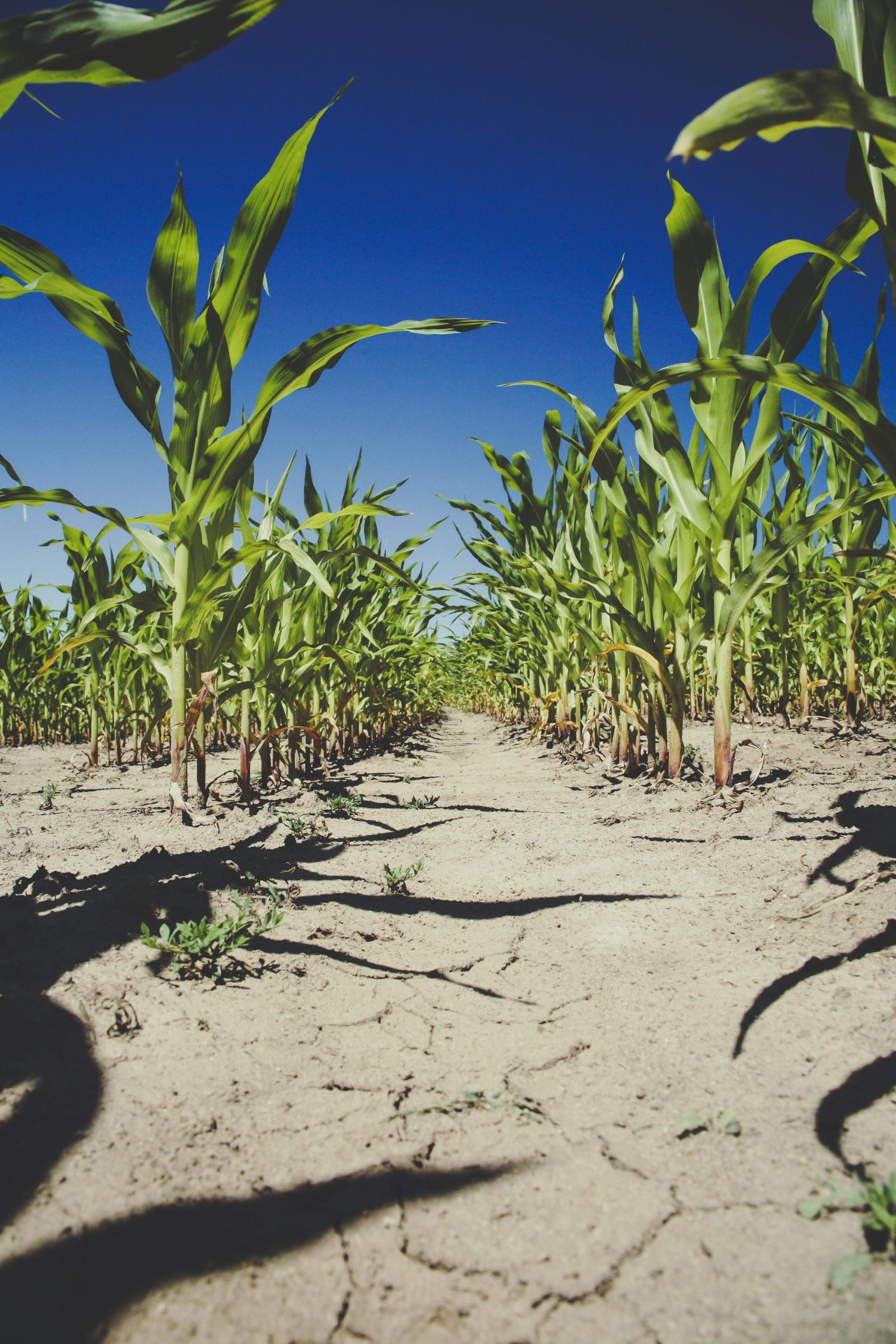
In the 2023-24 rainy season, El Niño struck at the peak of the rains. Many areas recorded the driest February on record, with a month-long heatwave about 5 °C above average. Some countries received less than 20 per cent of their usual February rainfall. Malawi, Zambia and Zimbabwe declared national drought disasters.
The Southern African Development Community estimated that 18.6 million people in drought-hit member states faced crisis levels of food insecurity or worse. In Zambia, a million of the 2.2 million hectares planted with maize were affected. By 10 April 2024 the usable water in Lake Kariba, the reservoir behind the Kariba hydropower dam, was down to about 13.6 per cent of capacity.
| Country | 2024 maize production vs 5-year average |
|---|---|
| Zimbabwe | About −72% |
| Zambia | About −50% |
| Mozambique | About −30% |
| Malawi | About −23% |
Source: WFP Regional Bureau for Southern Africa, November 2024. The shortfall rippled outward. The region needed about 5 million tonnes of imported maize, maize prices in Malawi ran 160 per cent above the five-year average, and more than 9,000 cattle died of drought in Botswana, Namibia, Zambia and Zimbabwe between October 2023 and February 2024. By November 2024 the World Food Programme reported more than 26 million people food insecure in the worst-affected countries, and five governments had declared national disasters.
Was it El Niño or climate change?
Analysis by World Weather Attribution found that El Niño roughly doubled the likelihood of such a drought and was the key driver. Human-caused warming was not a significant factor in this case. That makes southern Africa one of the clearest examples of El Niño acting on its own.
2015-16: a regional disaster
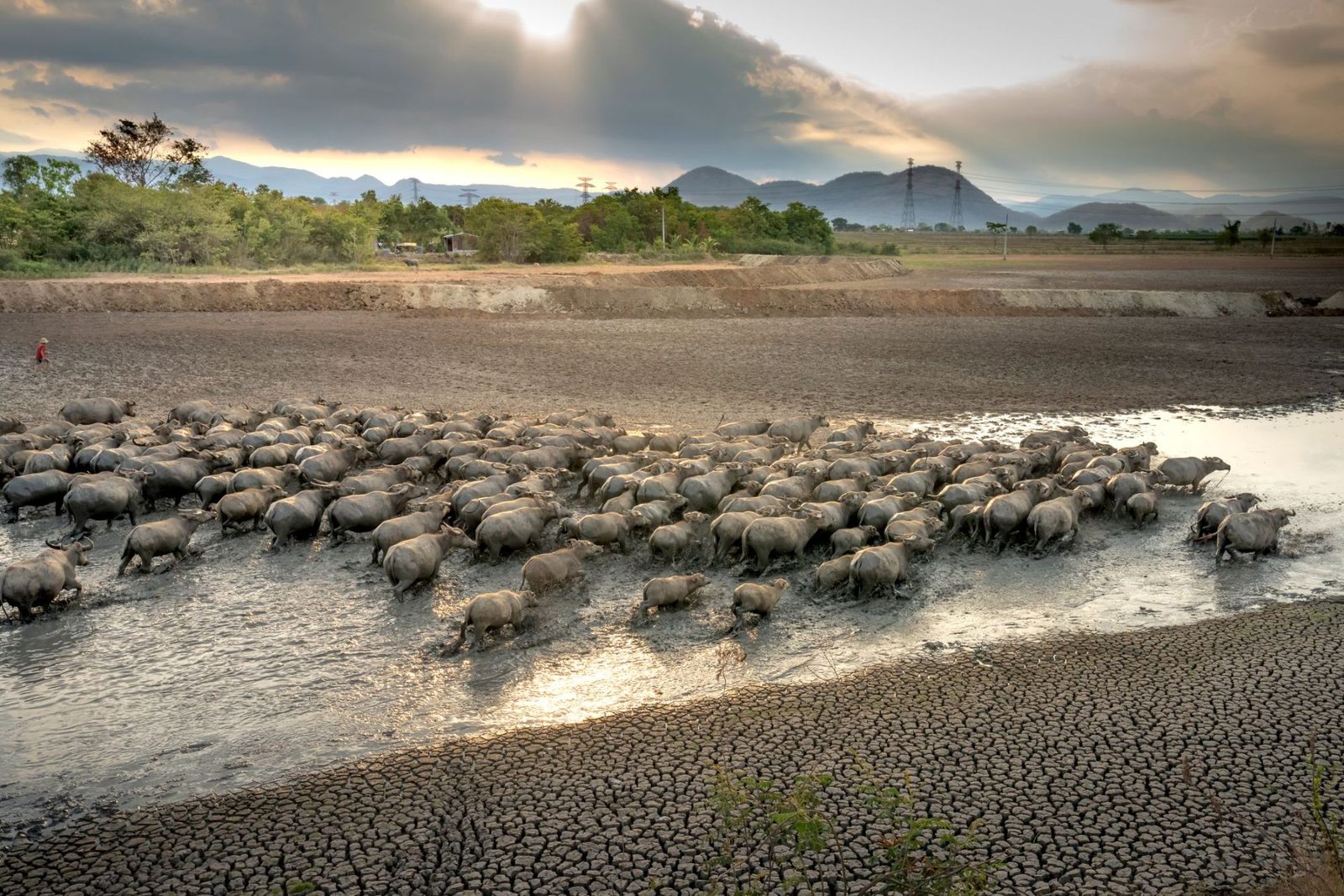
The giant El Niño of 2015-16 hit the region too. From October 2015 to February 2016, rainfall across most of Mozambique, Zimbabwe, Botswana, Namibia, Swaziland, Lesotho and South Africa was below 75 per cent of average, according to FEWS NET, and parts of the region had their driest or second-driest season on record. On 26 July 2016 SADC declared a regional disaster and appealed for US$2.4 billion to help about 40 million people facing food insecurity (see El Niño 2015-16).
Acting before the drought
Because El Niño can be forecast months ahead, its droughts can be prepared for. Humanitarian agencies call this anticipatory action: releasing money and help before a shock peaks, for example drought-tolerant seed, livestock vaccination or cash so families do not sell their animals in a panic. In 2026 FAO and the World Food Programme launched a joint El Niño anticipatory action appeal covering June 2026 to March 2027, aiming to protect nearly nine million people in 22 countries (see The Cost of El Niño).
Local tipFarmers can shift planting dates or crop varieties when a strong El Niño is forecast. National meteorological services and SADC's seasonal outlooks translate the Pacific forecast into local rainfall odds.
To see the places in this story for yourself, our guides Discover South Africa and Discover South Africa: Cape Town take you there.
Questions
Does El Niño cause drought in southern Africa?
It raises the risk sharply. El Niño summers tend to be dry across Zambia, Zimbabwe, Malawi and their neighbours. World Weather Attribution found El Niño roughly doubled the likelihood of the 2024 drought.
How bad was the 2024 drought in southern Africa?
Many areas had their driest February on record. SADC estimated 18.6 million people in food crisis, Zimbabwe's maize harvest fell about 72 per cent below average, and Malawi, Zambia and Zimbabwe declared national drought disasters.
Why does El Niño affect Africa?
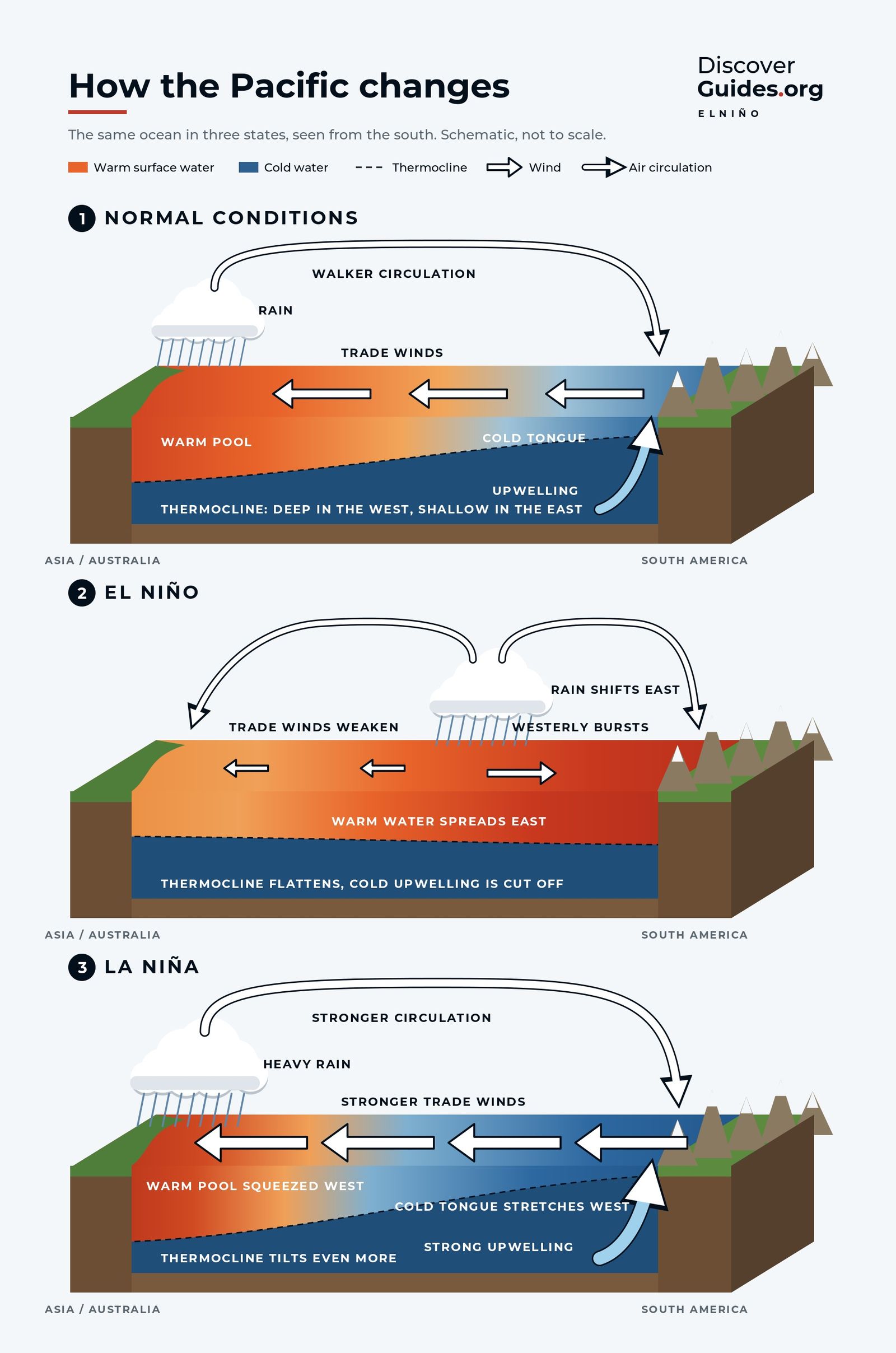
El Niño shifts the Pacific's rising air east, changing the circulation over the Indian Ocean and Africa. Southern Africa tends to dry while equatorial East Africa tends to turn wetter.
What happened to Lake Kariba in 2024?
By 10 April 2024 its usable water was down to about 13.6 per cent of capacity, cutting hydropower from the Kariba dam.