At a glance
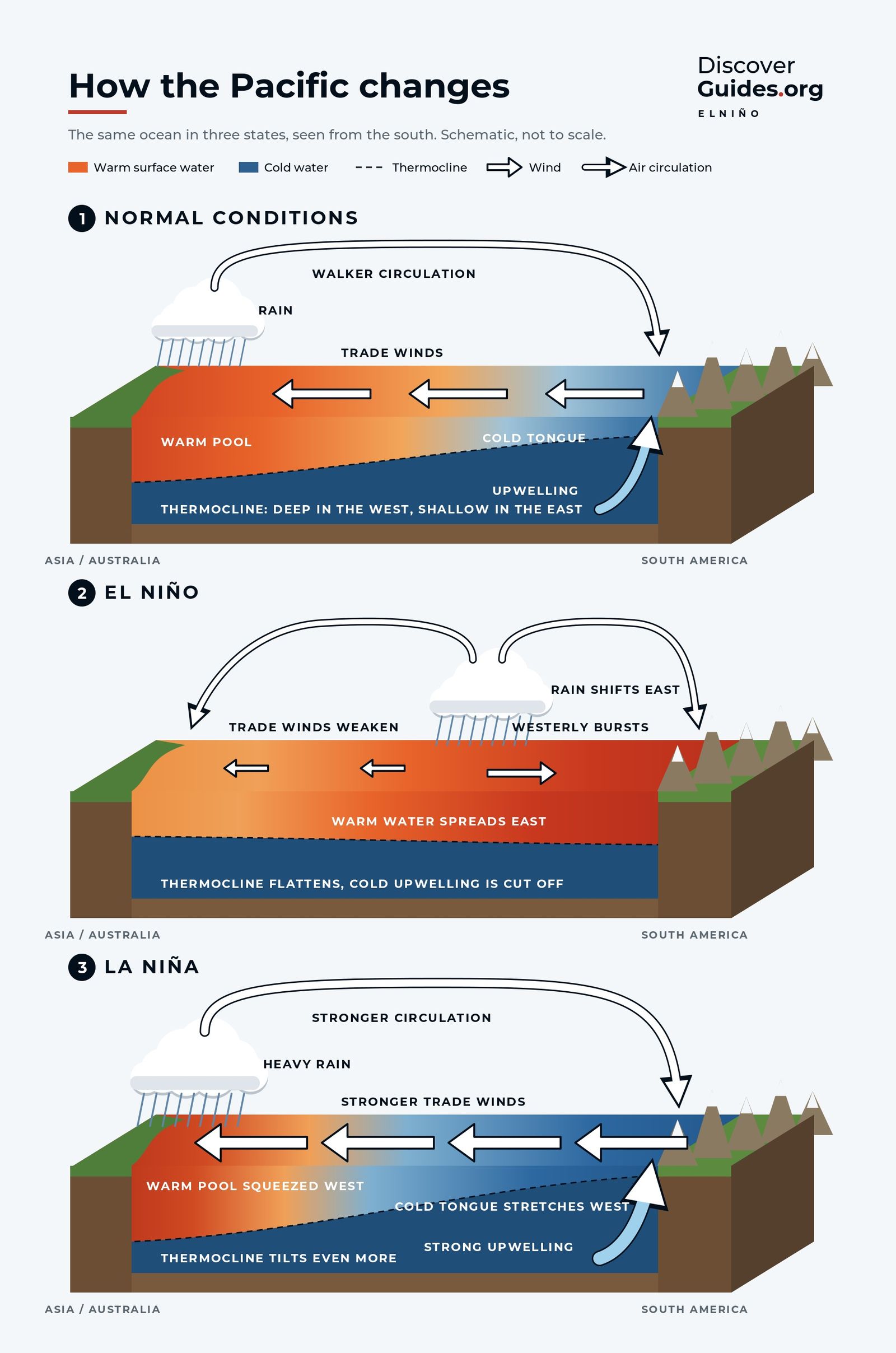
NOAA notes that El Niño lowers rainfall over Indonesia. When the Pacific's great rain belt shifts east, it leaves sinking, drying air behind over the Maritime Continent (see The Walker Circulation). In Indonesia that rain normally keeps peat swamps wet and fire-proof.
Why peat burns
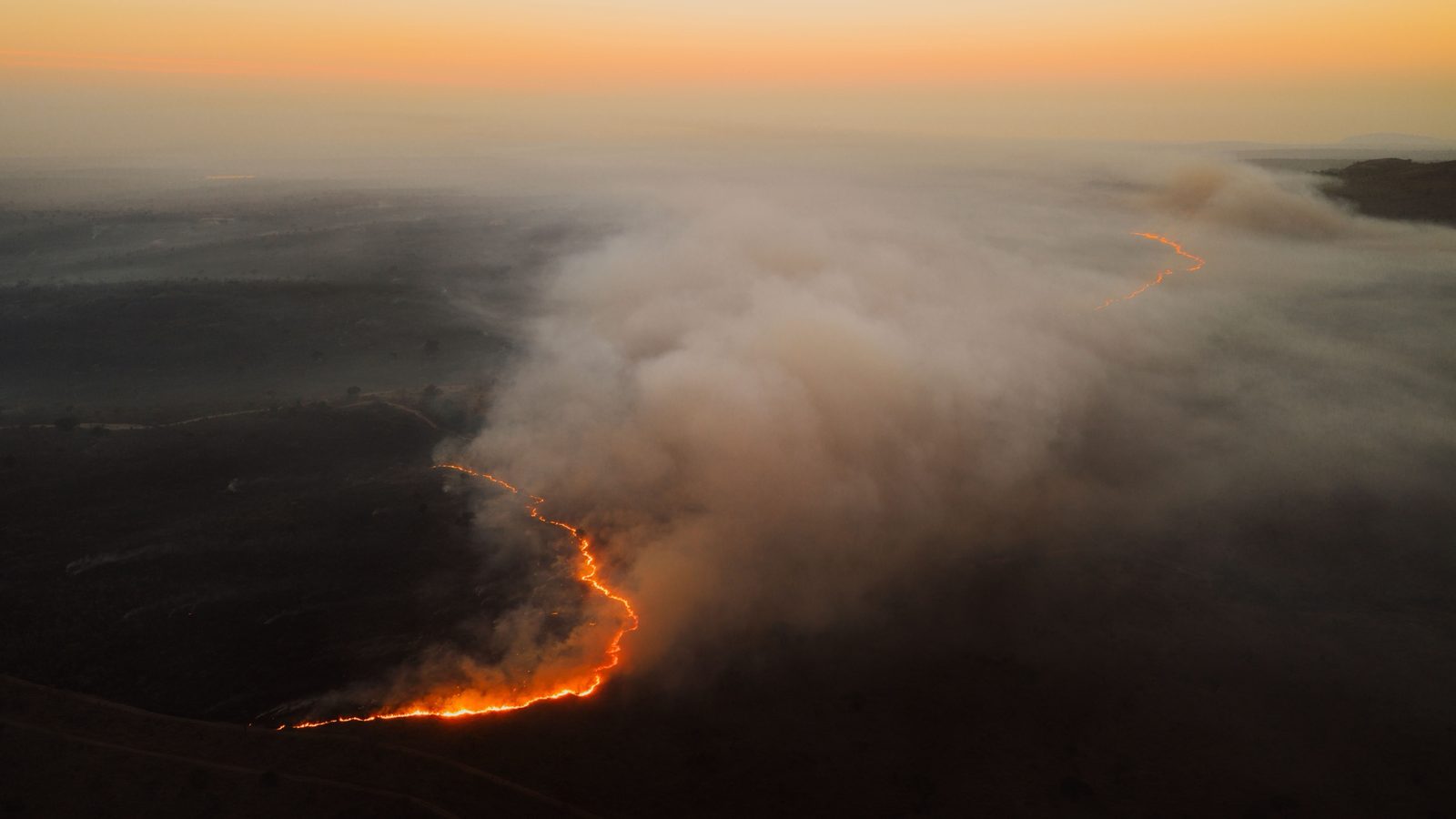
Peat is a deep layer of old, waterlogged plant matter. Drained of water, it becomes fuel that can burn below the surface. A study published in Nature in 2002 by Susan Page and colleagues examined 2.5 million hectares of Central Kalimantan on Borneo: in 1997 about 32 per cent of that area burned, and 91.5 per cent of the burned ground was peatland. Fire there eats down into the peat itself, releasing the carbon stored in it.
The study estimated that Indonesia's 1997 fires released between 0.81 and 2.57 billion tonnes of carbon, equal to 13 to 40 per cent of the world's average yearly emissions from fossil fuels. Fires damaged more than 9.7 million hectares in the 1997-98 El Niño, according to the Asian Development Bank and Indonesia's planning agency, and smoke spread to Malaysia, Singapore and Brunei.
2015: the haze year
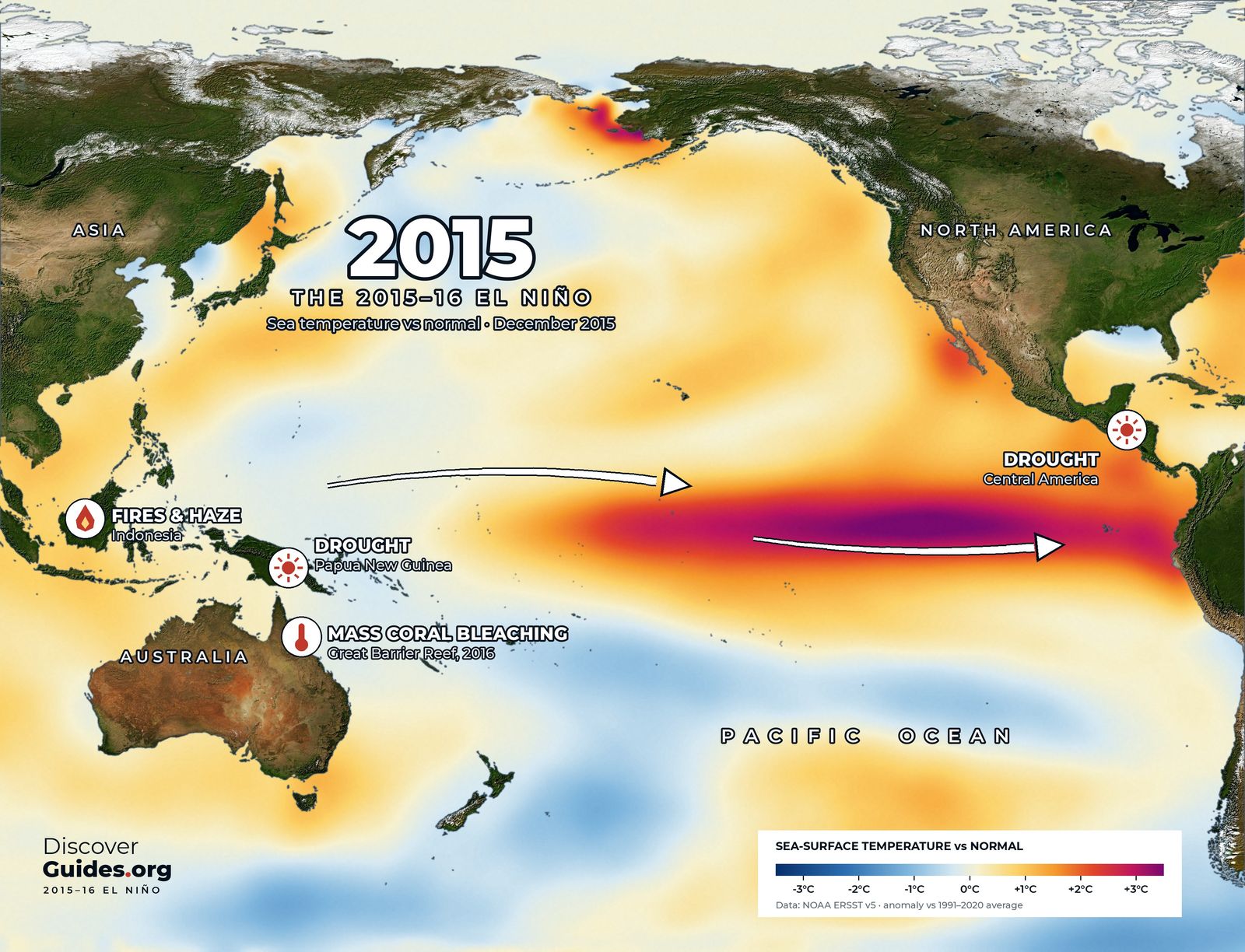
The story repeated in the strong El Niño of 2015-16, shown at its peak in the map at the top of this page. The World Bank estimated that about 2.6 million hectares burned between June and October 2015, an area about four and a half times the size of Bali. The cost to Indonesia reached at least US$16.1 billion, or 1.9 per cent of its GDP, more than twice the cost of rebuilding after the 2004 Aceh tsunami.
Peatland made up only about a third of the burned area, yet it produced most of the haze and carbon. The World Bank cited estimates of about 1,750 million tonnes of carbon dioxide equivalent from the 2015 fires, close to Indonesia's total annual emissions.
| Measure | 2015 fires |
|---|---|
| Area burned | About 2.6 million ha (June-October) |
| Cost to Indonesia | At least US$16.1 bn, 1.9% of GDP |
| Emissions | About 1,750 million t CO2-equivalent |
| Acute respiratory infections | More than 500,000 cases |
| Students hit by school closures | Nearly 4.7 million |
| Estimated excess deaths from haze | About 100,300 (Koplitz et al., 2016) |
The health toll
The smoke was a health emergency. The World Bank recorded 19 deaths and more than half a million cases of acute respiratory infection, while tens of millions of people lived under the smoke. A modelling study led by Shannon Koplitz of Harvard University, published in Environmental Research Letters in 2016, estimated that the haze caused about 100,300 excess deaths across Indonesia, Malaysia and Singapore, more than double the toll of a similar haze in 2006.
El Niño loads the dice, people light the fires
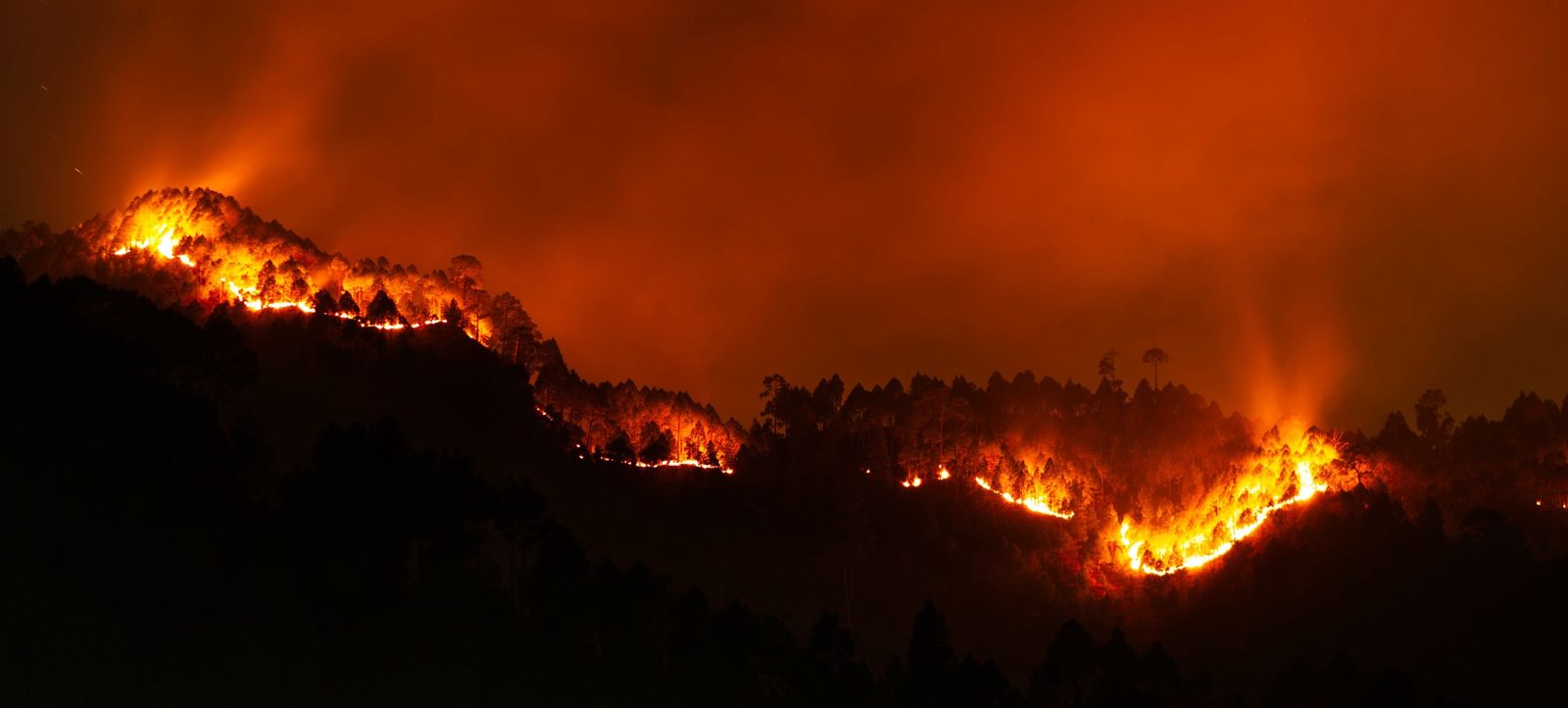
The World Bank was clear that El Niño made the fires worse but that people lit them: burning to clear land, without adequate controls or law enforcement. In El Niño years drought arrives on land already drained and cleared for plantations. The same pattern threatens the Amazon, where a 2018 study found fire incidence rose by 36 per cent during the 2015 drought even as deforestation fell (see El Niño and the Amazon Drought).
2026-27
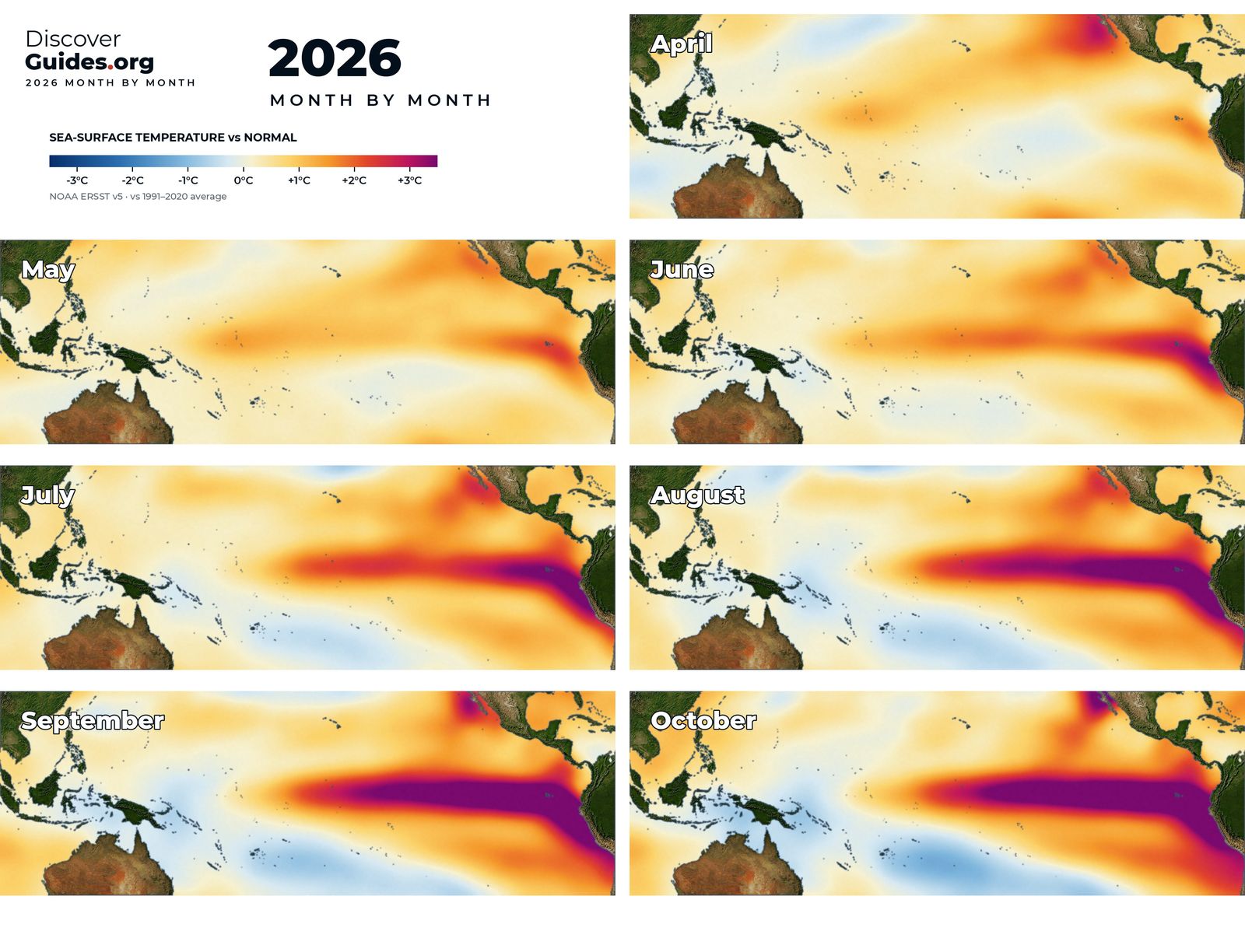
With a very strong El Niño under way and, as of late October 2026, a positive Indian Ocean Dipole that also tends to dry Indonesia, the combination forecasters watch most closely for drought in the region is in place (see El Niño and the Indian Monsoon). The latest is in The 2026-27 Super El Niño.
To see the places in this story for yourself, our guides Discover Indonesia: Volcanoes of Indonesia and Discover Indonesia: Diving Indonesia take you there.
Questions
Why does El Niño cause fires in Indonesia?
El Niño reduces rainfall over Indonesia. Drained peat swamps dry out and become fuel, so fires lit to clear land spread and burn underground for weeks.
How big were the 2015 Indonesia fires?
About 2.6 million hectares burned between June and October 2015, costing Indonesia at least US$16.1 billion according to the World Bank.
How many people died from the 2015 haze?
A Harvard-led study estimated about 100,300 excess deaths across Indonesia, Malaysia and Singapore.
Why is peat fire so bad for the climate?
Peat stores huge amounts of carbon. Indonesia's 1997 fires released an estimated 0.81 to 2.57 billion tonnes of carbon, and the 2015 fires about 1,750 million tonnes of CO2-equivalent.