At a glance
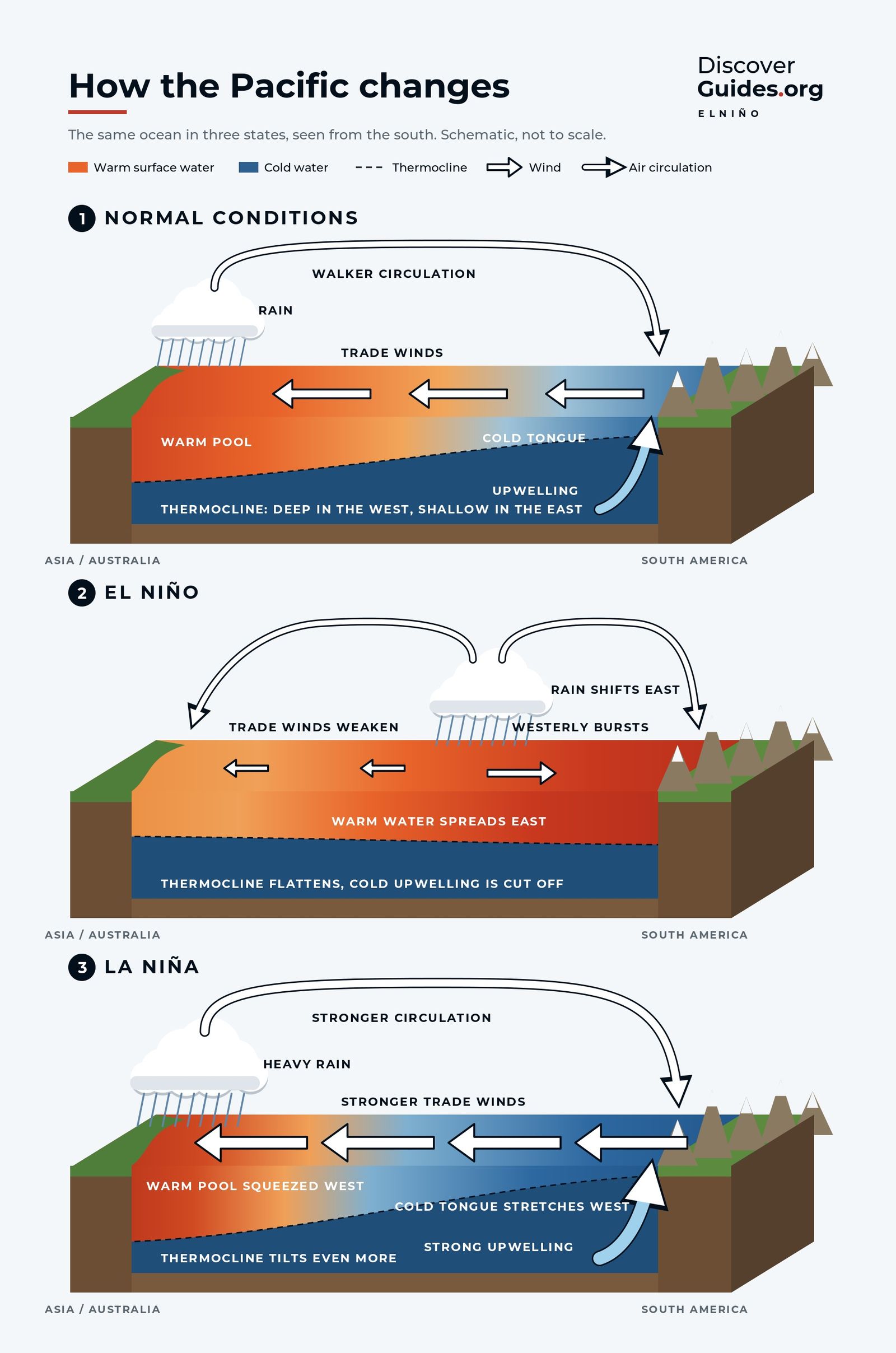
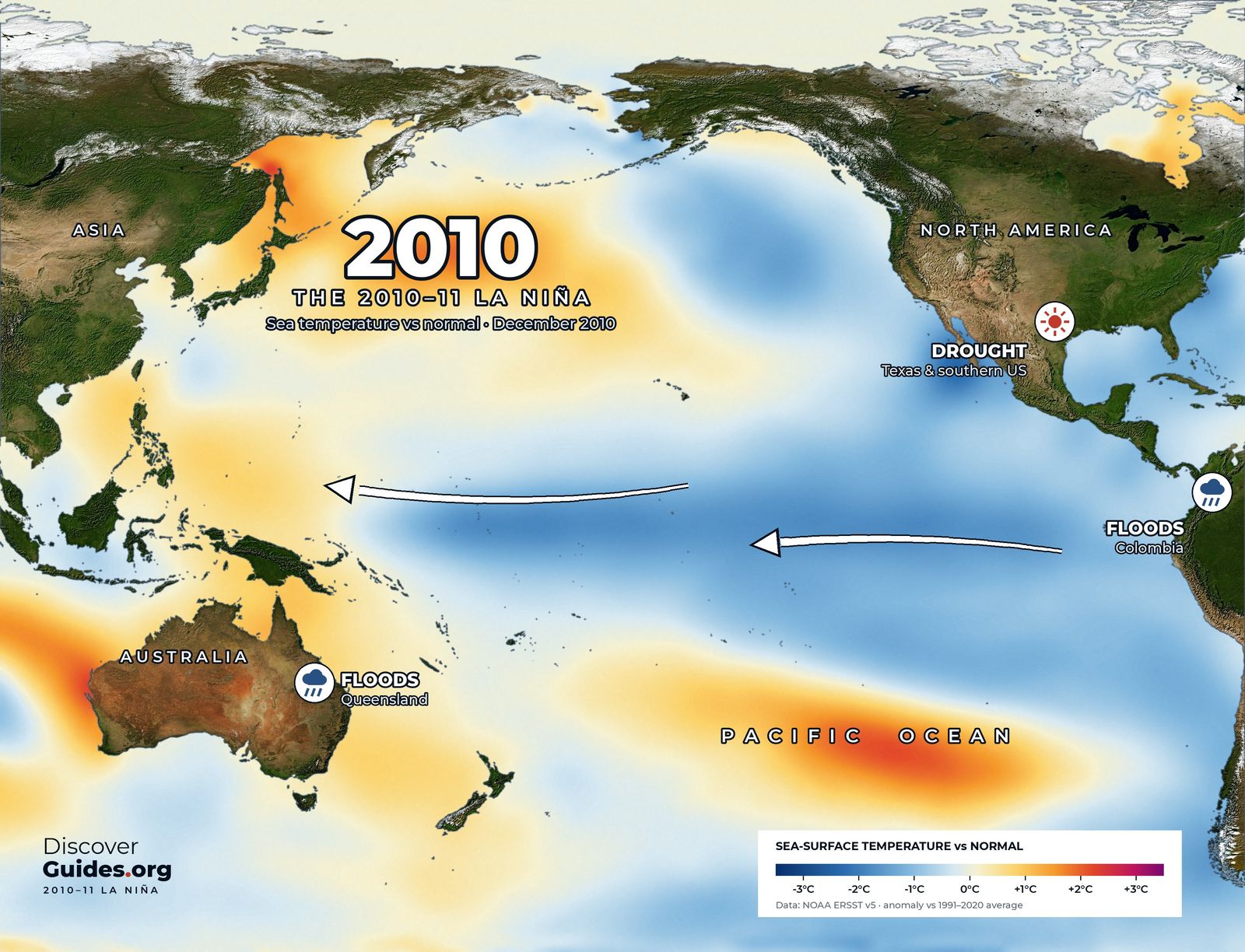
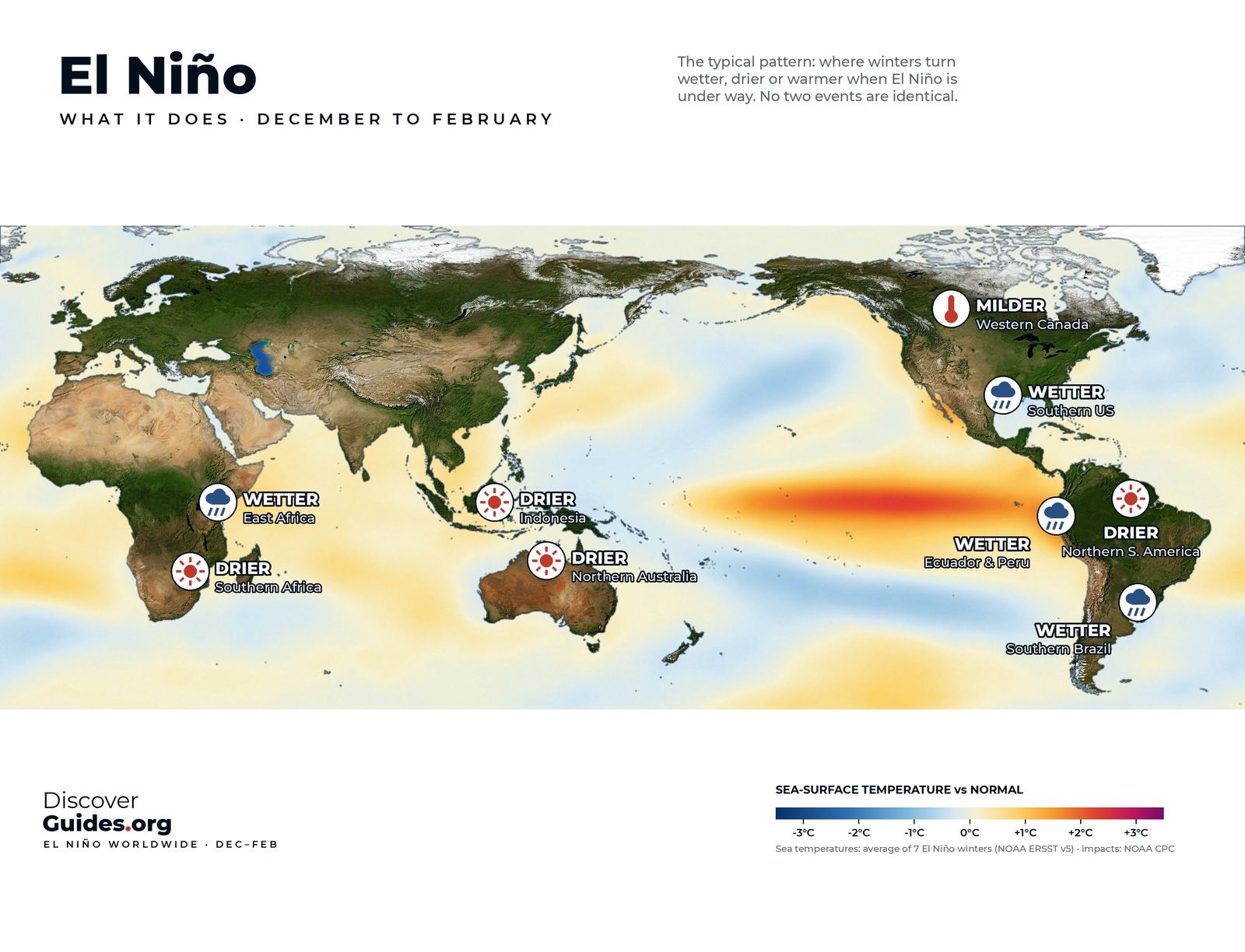
NOAA's Climate Prediction Center lists northern South America among the regions that tend to dry out during an El Niño northern winter, while southern Brazil and central Argentina lean wetter. When the Pacific's rising air moves east, the rising branch of the Walker circulation over northern South America is replaced by sinking, reducing rainfall there (see The Walker Circulation).
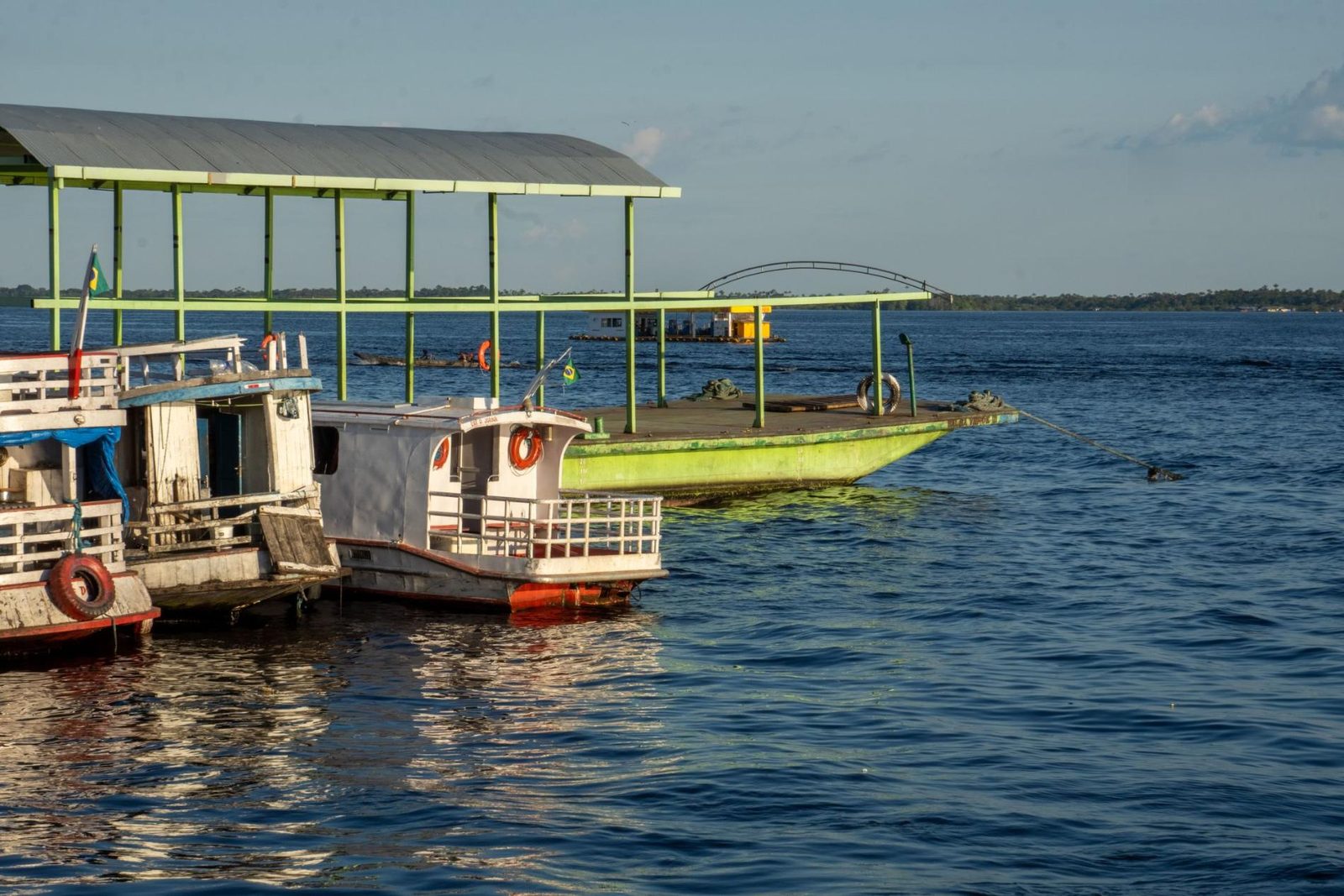
2023: the river runs dry
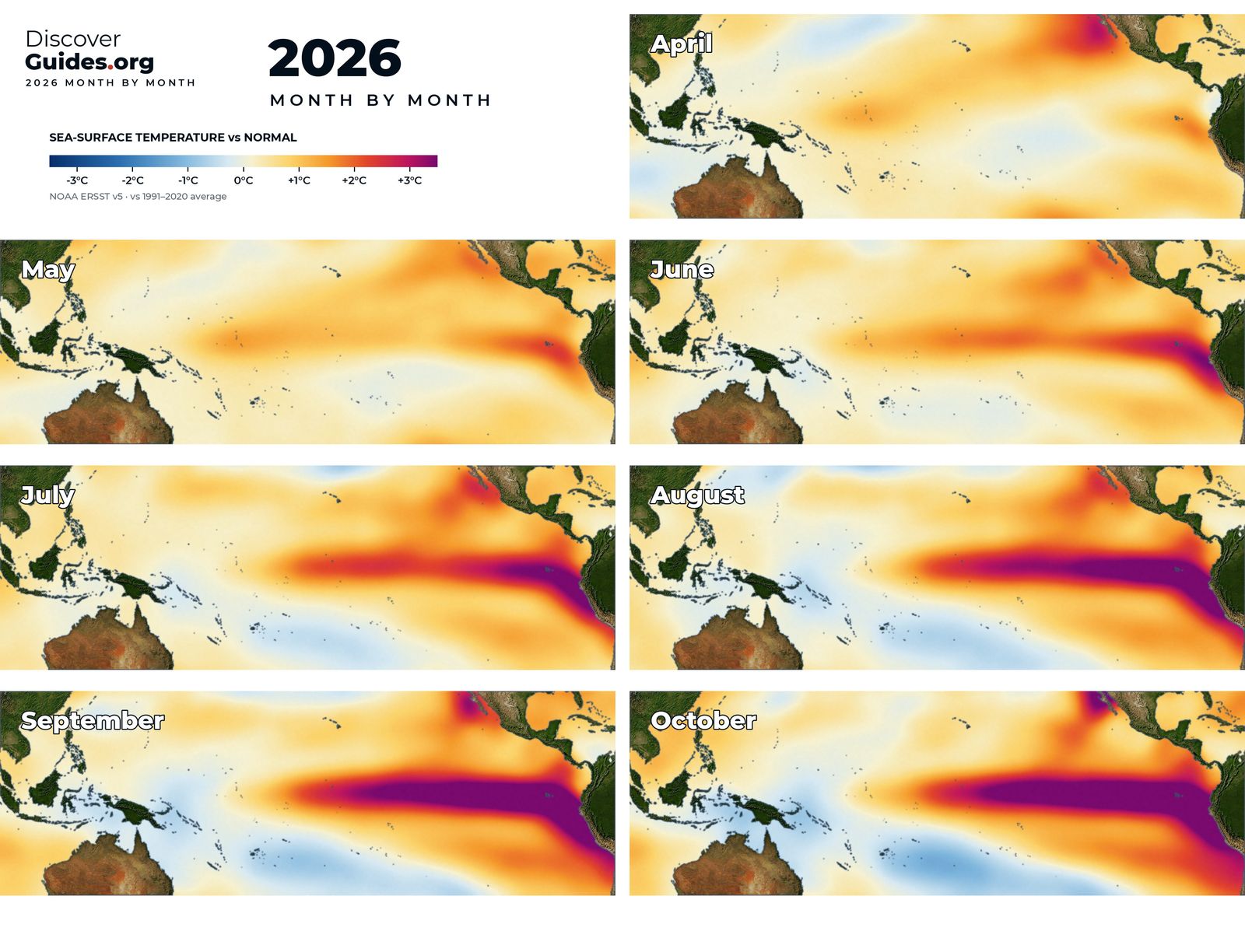
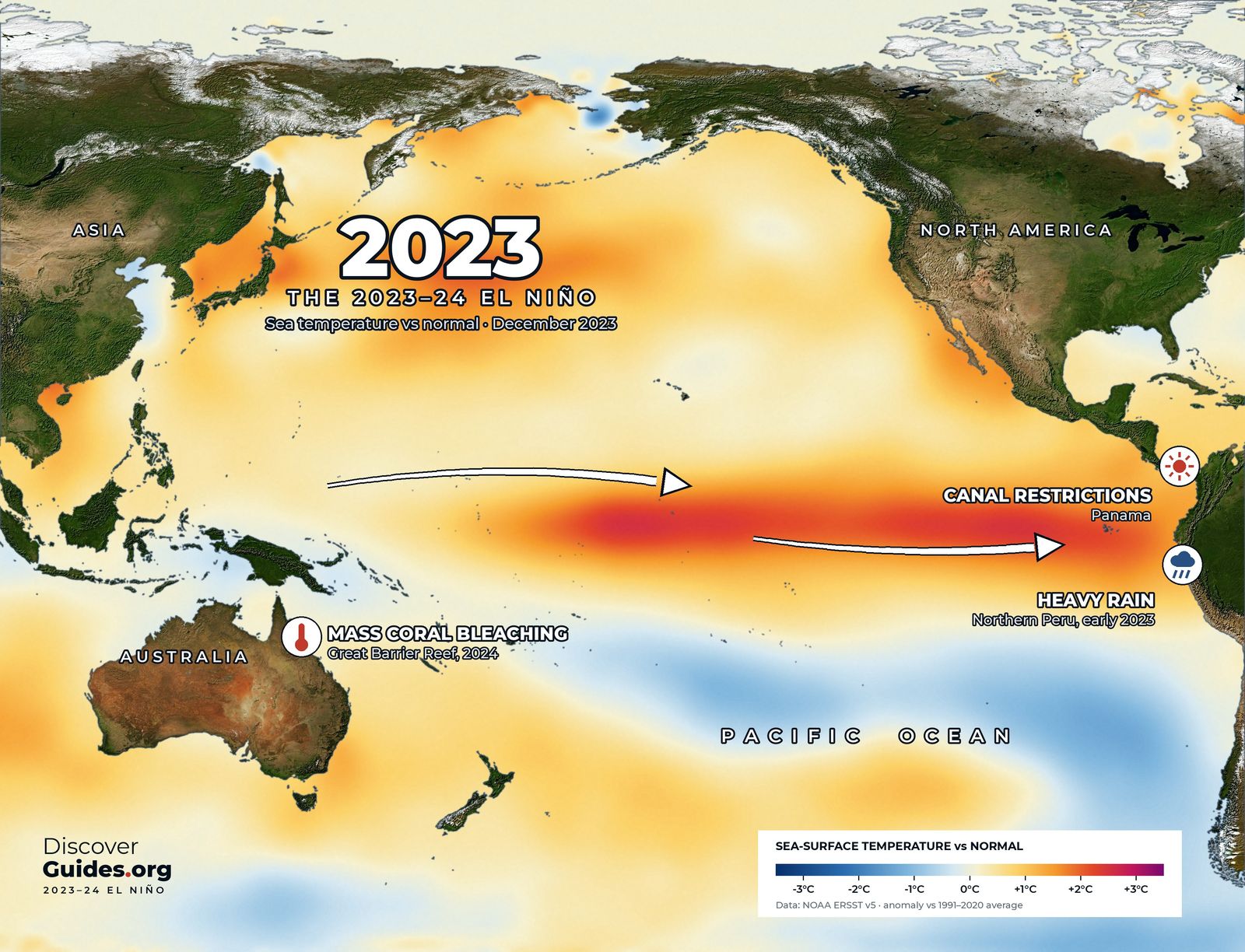
In October 2023 the Rio Negro at Manaus broke its record low on 17 October and kept falling, to 12.70 metres by late October, against about 19.6 metres in early October a year earlier. A study led by Jhan-Carlo Espinoza linked the drought to the switch from La Niña to El Niño, with record heat: air temperatures in October ran 2.7 °C above normal across the region.
| Year | Lowest level of the Rio Negro at Manaus |
|---|---|
| 2023 | 12.70 m |
| 2010 | 13.63 m |
| 1963 | 13.64 m |
| 1997 | 14.37 m |
| 2005 | 14.75 m |
Source: Espinoza et al. (2024), Scientific Reports. NASA's Earth Observatory reported disrupted drinking water in hundreds of communities, slowed river traffic, and die-offs of fish and river dolphins. The climate scientist René Garreaud pointed to El Niño as the main culprit.
Fire in the rainforest
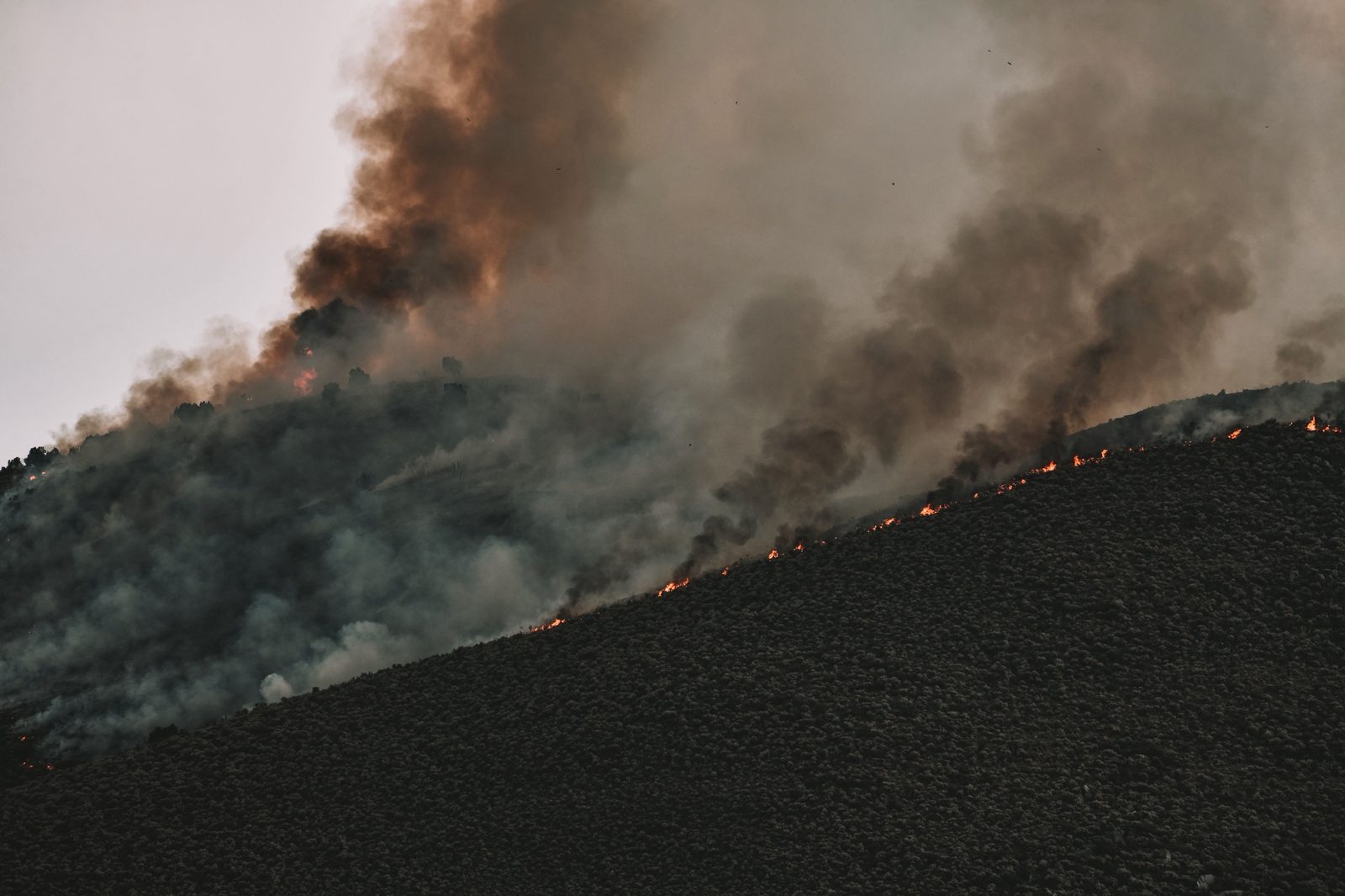
Rainforests are not supposed to burn. Their humid understorey normally stops fires lit to clear farmland at the forest edge. Drought changes that. A study led by Luiz Aragão of Brazil's National Institute for Space Research (INPE) and the University of Exeter, published in Nature Communications in 2018, found that fire incidence in the Brazilian Amazon rose by 36 per cent during the 2015 drought compared with the preceding 12 years, even though deforestation had fallen by 76 per cent over the period studied.
The team estimated that fires in drought years add roughly a billion tonnes of carbon dioxide to the atmosphere a year on average, more than half the emissions from clearing old-growth forest. José Marengo of Brazil's disaster alert centre, CEMADEN, a co-author, linked the region's great droughts of 2005, 2010 and 2015-16 to a warm tropical North Atlantic or to El Niño.
Two faces of South America
El Niño does not dry the whole continent. Southern Brazil lies in one of its wet zones: in 2024 floods reached over 90 per cent of Rio Grande do Sul, and World Weather Attribution found El Niño made the ten-day downpour two to three times more likely. On the coasts of Ecuador and northern Peru, normally among the driest on Earth, El Niño brings floods (see Coastal El Niño). The 2023 drought also reached Panama's canal (see El Niño and the Panama Canal).
Questions
Does El Niño cause drought in the Amazon?
It raises the risk. El Niño tends to dry northern South America, and scientists linked the record 2023 drought, as well as the 2015-16 drought, to El Niño.
How low did the Rio Negro fall in 2023?
To 12.70 metres at Manaus in late October 2023, the lowest since daily readings began in 1902.
Can the Amazon rainforest burn?
In drought years, yes. Fire incidence in the Brazilian Amazon rose 36 per cent during the 2015 drought, as fires lit at the forest edge spread into drier forest.
Does El Niño make all of Brazil drier?
No. Southern Brazil tends to get wetter during El Niño; the 2024 Rio Grande do Sul floods were made two to three times more likely by El Niño.