At a glance
The Maldives is built entirely by the reef: around 1,200 islands strung across 26 atolls, none more than a few metres above the sea. The Seychelles has granite islands with peaks, rainforest and sculpted boulders, plus low coral atolls far to the south. That one difference shapes almost everything about a holiday in each.
The two at a glance
| Maldives | Seychelles | |
|---|---|---|
| Landscape | Flat coral islands, lagoons | Granite peaks, forest, boulders |
| Typical stay | One island, often one resort | Two or three islands |
| Underwater | World-class reefs, mantas, whale sharks | Good snorkelling, granite reefs |
| On land | Very little beyond the beach | Hiking, forests, tortoises, birds |
| Getting around | Speedboat, seaplane, domestic flights | Ferry, hire car, bicycle |
| Budget option | Guesthouses on local islands | Guesthouses and self-catering |
Beaches and water
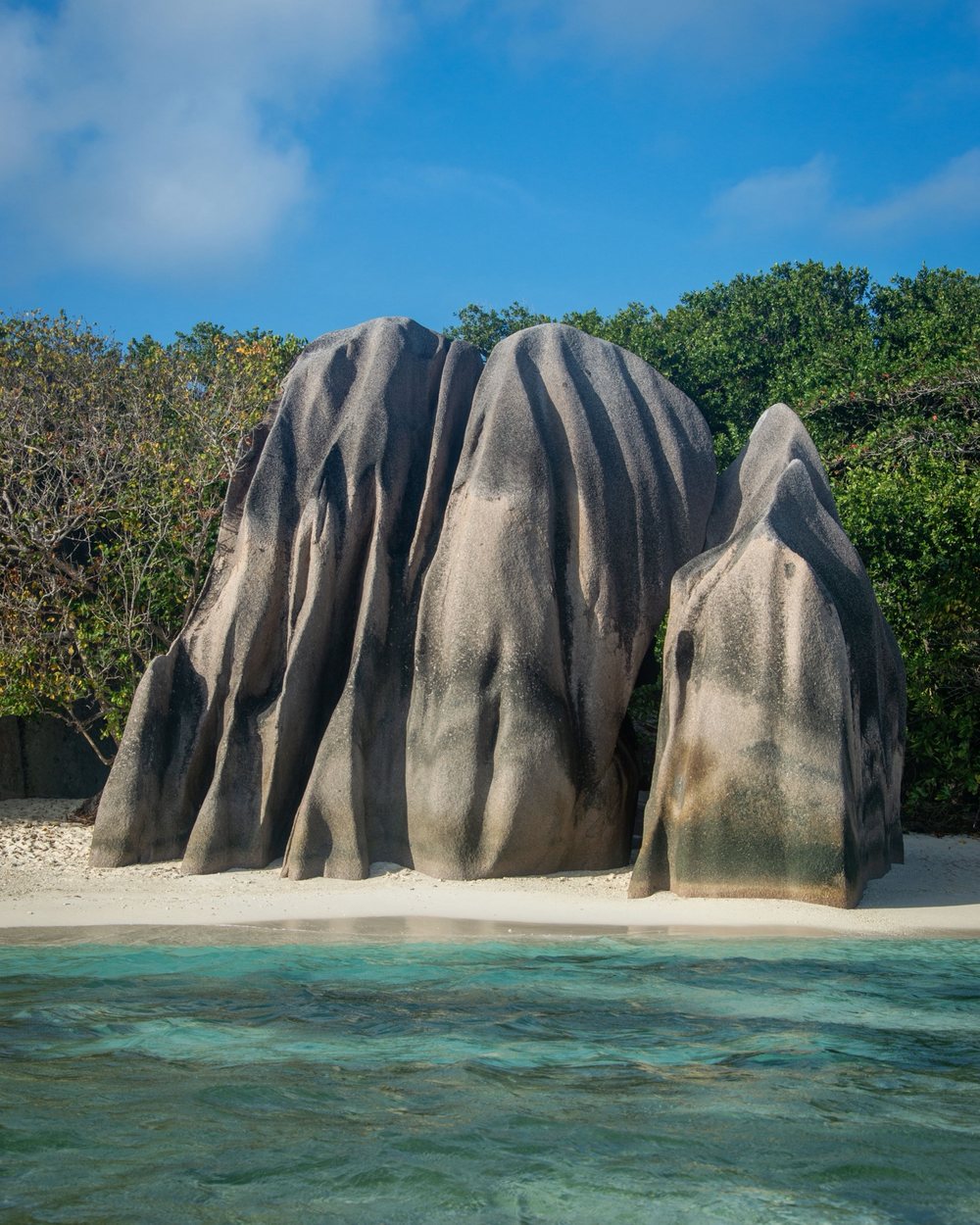
In the Maldives, the beach is usually the edge of a lagoon, ringed by reef, with water that shades from turquoise to deep blue. Many resorts have a house reef a few strokes from the sand. The Seychelles has some of the most photographed beaches on Earth, such as Anse Source d'Argent on La Digue and Anse Lazio on Praslin, framed by granite boulders and takamaka trees. Some of its wilder bays face open ocean and can be rough.
Under the water
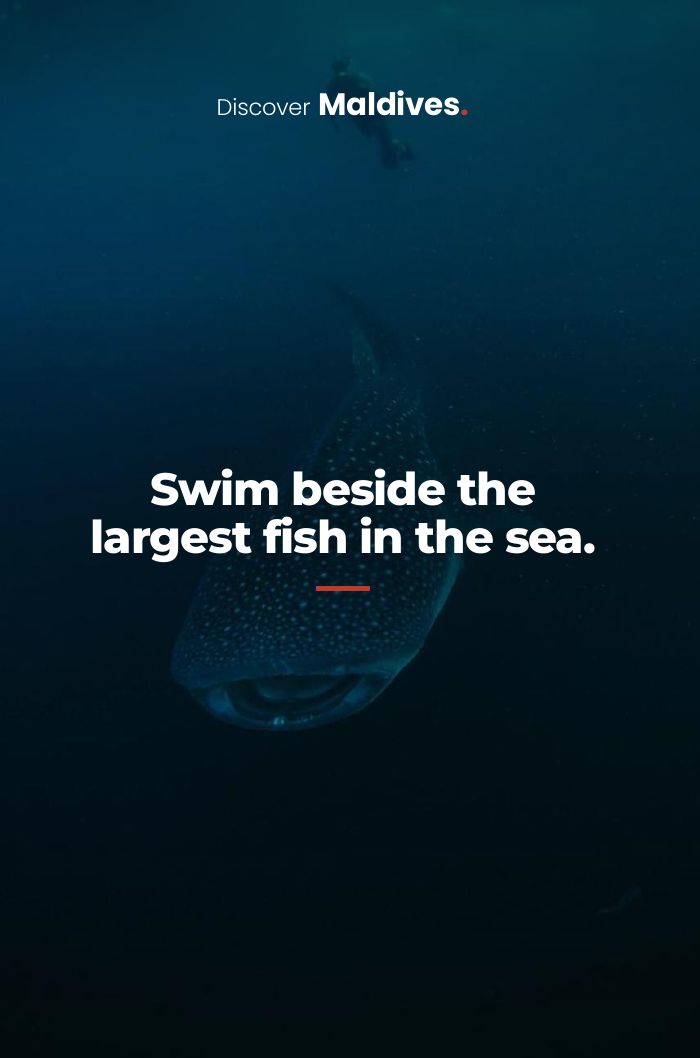
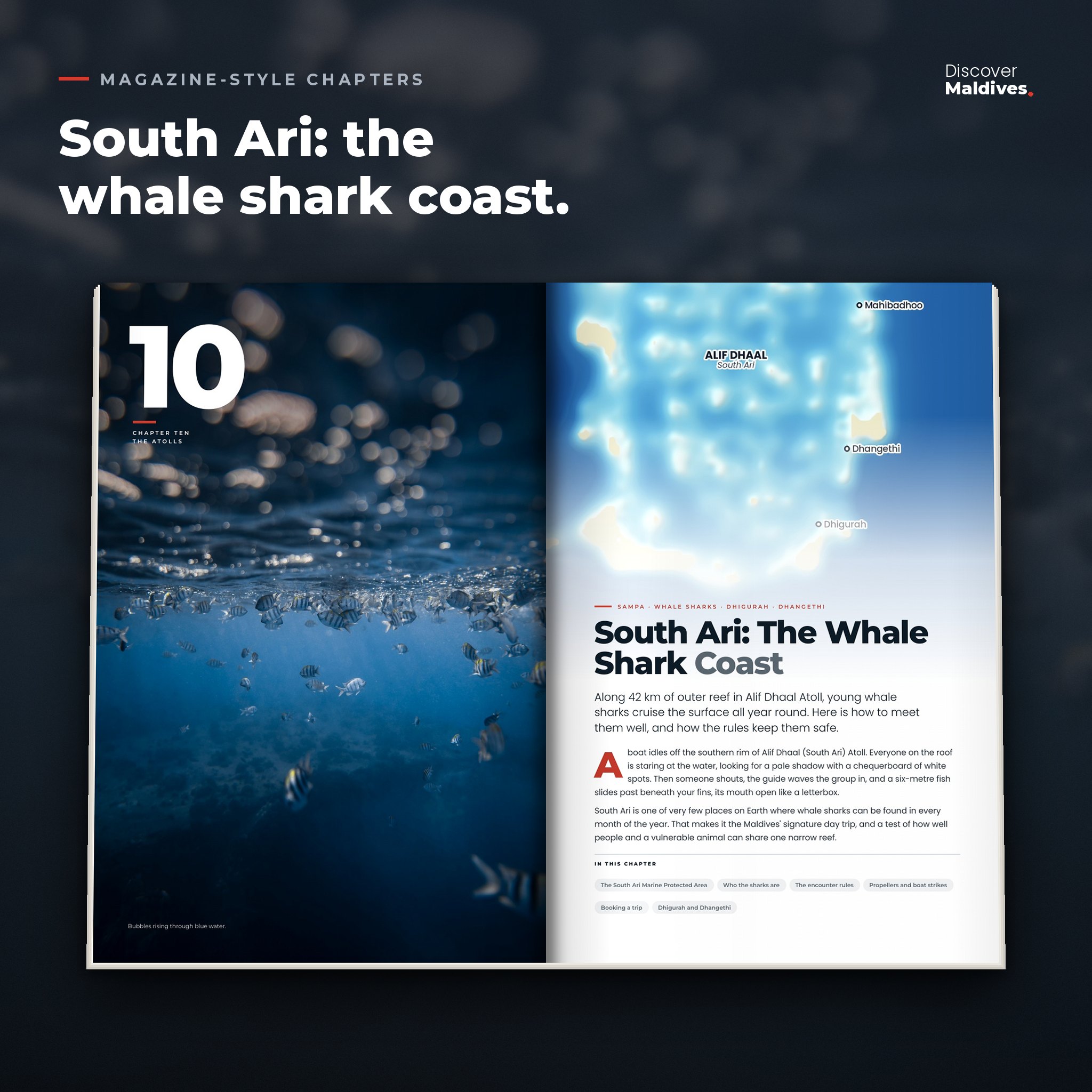
For divers and snorkellers, the Maldives usually wins. Its channels, thilas and house reefs bring encounters that are hard to match: whale sharks in South Ari in every month, mass manta gatherings at Hanifaru Bay in Baa from about June to November, and tiger sharks off Fuvahmulah. The Seychelles has good snorkelling in places such as Sainte Anne Marine National Park and around Curieuse, best in the calm months of April, October and November.
On land
This is where the Seychelles pulls ahead. You can hike to viewpoints in Morne Seychellois National Park on Mahé, walk the palm forest of the Vallée de Mai on Praslin, meet free-roaming giant tortoises on Curieuse and cycle La Digue from beach to beach. In the Maldives, island life is the island you are on: the pleasures are the lagoon, the sandbank and the sunset, with local islands adding a glimpse of Maldivian life.
The shape of the trip
A Maldives trip is usually a stay: one resort island, or one or two local islands, reached by speedboat, seaplane or domestic flight. Moving between atolls takes time and money. A Seychelles trip is usually a journey: a few nights each on Mahé, Praslin and La Digue, linked by short ferries. If you like variety, the Seychelles suits you. If you want to unpack once and live in the water, the Maldives does. The Seychelles in 7 days shows how a classic route works.
Culture and food
The Maldives is a Muslim nation, and its culture is most visible on local islands: the call to prayer, the dhoni boats in the harbour, breakfasts of mas huni, a mix of tuna, coconut and chilli, eaten with roshi flatbread. Resorts are a world apart, with alcohol and international menus. The Seychelles is a Kreol nation, with French, African and Asian roots, and its food reflects it: grilled fish, octopus curry and fruit from the market in Victoria. On the granite islands, you meet local life simply by eating out and taking the bus.
Families and couples
For families, the Maldives offers calm lagoons and resorts with kids' clubs, while the Seychelles offers more to do on land, from tortoises to forest walks, but some beaches with strong currents. For couples, both are classics: choose the Maldives for privacy and the water, the Seychelles for a journey with something new each day.
Cost
Both have a luxury reputation, and both have cheaper ways in. In the Maldives, guesthouses on local islands cost a fraction of resort prices, with alcohol-free islands and modest dress as the trade-off. In the Seychelles, guesthouses and self-catering apartments, buses on Mahé and Praslin and bicycles on La Digue keep costs down. Excursions add up in both. Prices change, so compare current rates for your dates.
Best time for each
The Maldives is driest from about January to March, with a wetter south-west monsoon from about May to November that brings lower prices and the Hanifaru mantas. The Seychelles is driest and breeziest from about May to October, wettest from about December to March, and calmest in April, October and November. The best time to visit the Seychelles covers its seasons in detail.
Local tipCannot decide? Choose by the activity you would be most sad to miss. Mantas or whale sharks point to the Maldives; hiking, forests and island hopping point to the Seychelles.
The verdict
- Choose the Maldives for diving and snorkelling, an overwater villa and one-island calm.
- Choose the Seychelles for hiking, wildlife on land, dramatic granite beaches and island hopping.
- For a honeymoon, both work: the Maldives for seclusion, the Seychelles for variety.
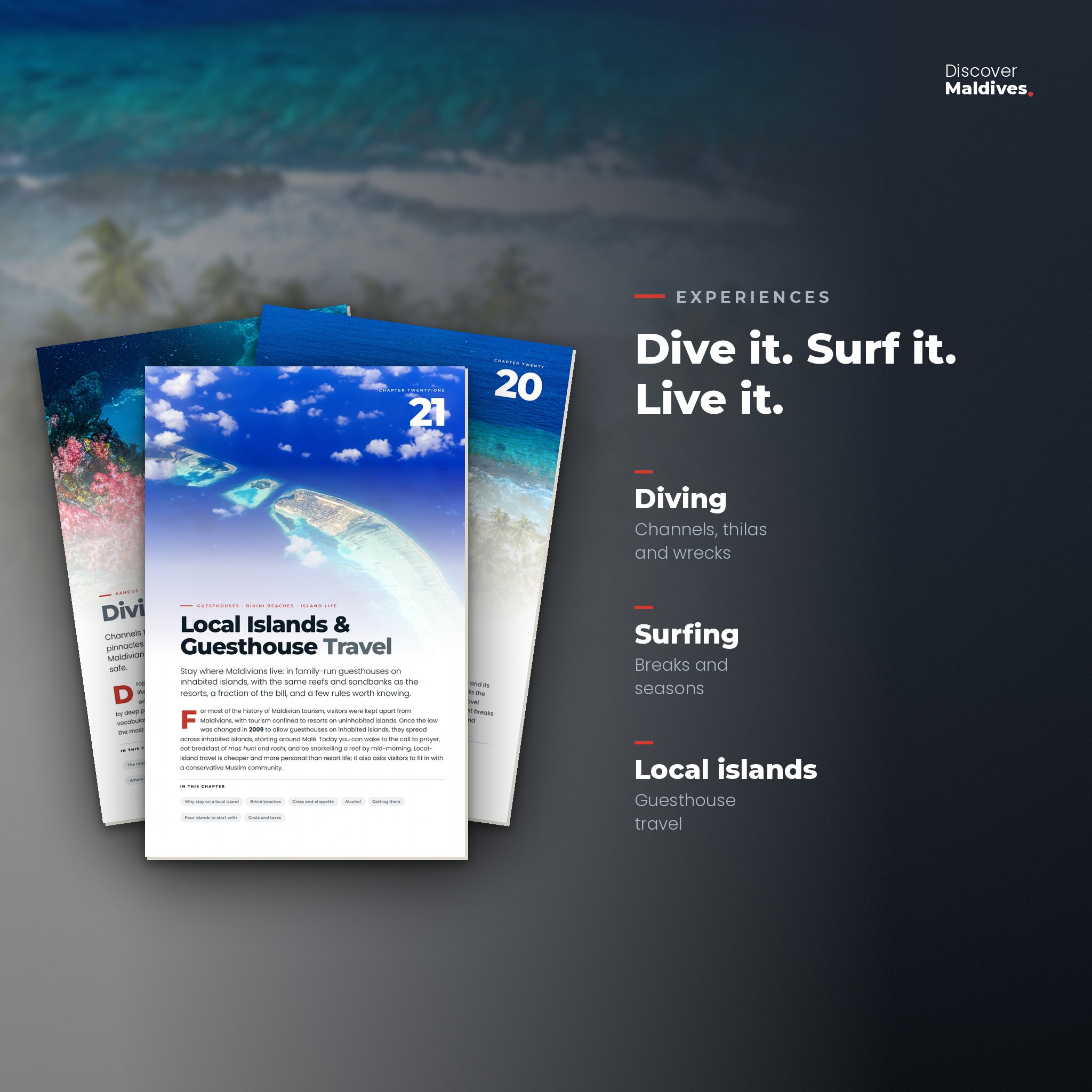
The Discover Seychelles guide covers the granite and coral islands, the seasons and the great beaches. Its companion, Discover Maldives, covers all 26 atolls.
Questions
Which is better, the Maldives or the Seychelles?
It depends on the trip. The Maldives is better for diving, snorkelling and staying on one island. The Seychelles is better for hiking, wildlife on land, varied beaches and island hopping.
Which is cheaper, the Maldives or the Seychelles?
Both can be expensive, and both have cheaper options: local-island guesthouses in the Maldives, and guesthouses, self-catering and public buses in the Seychelles. Compare current prices for your dates.
Is the snorkelling better in the Maldives or the Seychelles?
The Maldives generally offers more and richer reef snorkelling, with house reefs, whale sharks and mantas. The Seychelles has good snorkelling in calm months and protected areas such as Sainte Anne Marine National Park.