At a glance
We picked courses that cost nothing to take, come from organisations that work on the ocean every day, and can be started at any time. They run from a first look at why the ocean matters to the techniques reef managers use in the field. Some give a free certificate or statement of participation; others don't. All were open on 15 November 2026, but providers change their courses, so check the course page before you plan around one.
Start here: the ocean and how it works
- 1. Ocean Literacy: Why the ocean should matter to us all. UNESCO's Intergovernmental Oceanographic Commission, on the OceanTeacher Global Academy. About 6 hours, written for the general public. Free, with a free account; no certificate. UNESCO Ocean Literacy courses
- 2. The oceans. The Open University's OpenLearn. About 15 hours at intermediate level: how deep the oceans are, what seawater is made of, what drives ocean currents and how the ocean shapes climate. Free statement of participation when you finish. The oceans on OpenLearn
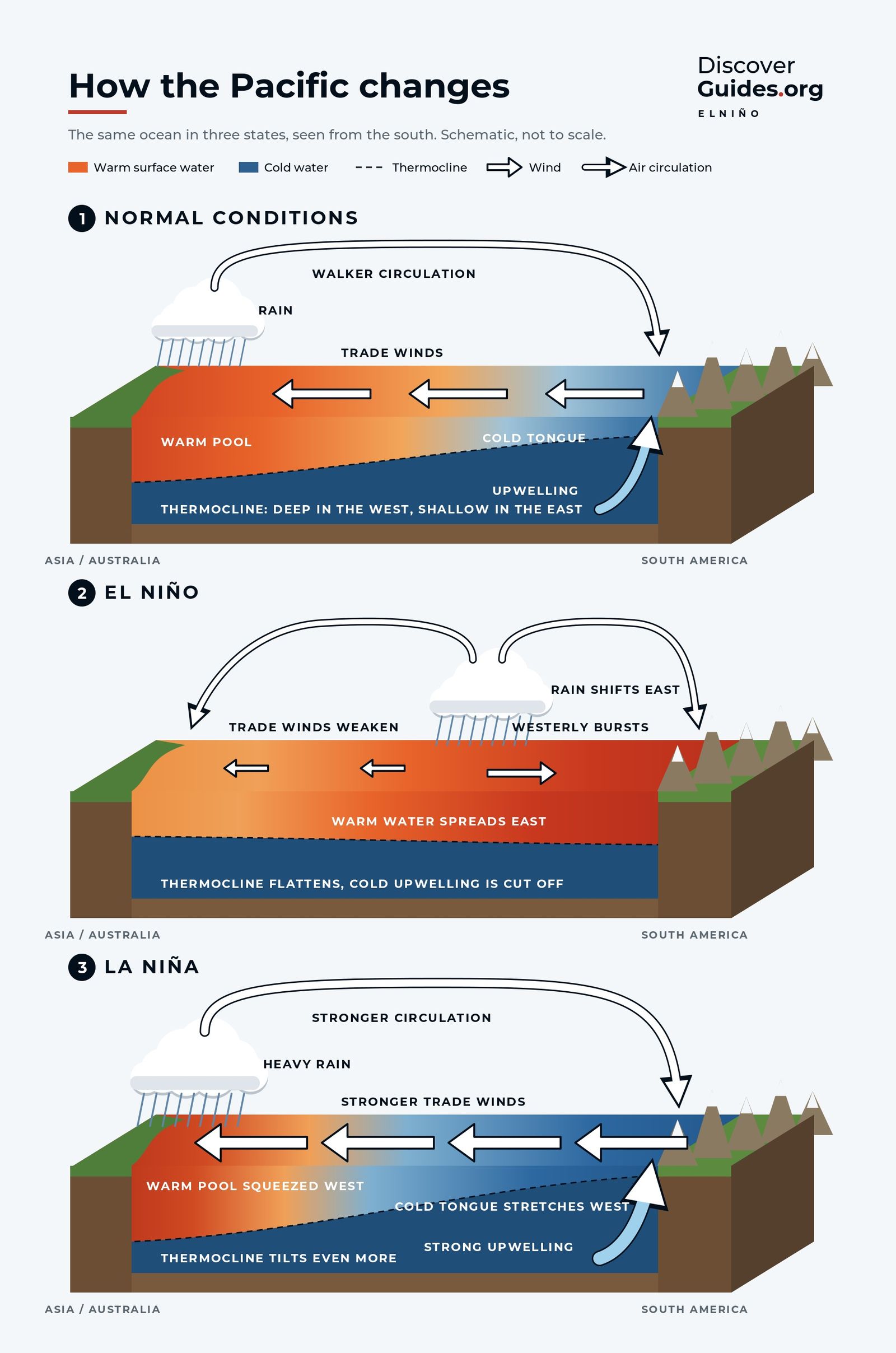
- 3. One Planet, One Ocean. The UN's SDG Academy, taught by ocean scientist Martin Visbeck. Six self-paced modules on edX: coasts and hazards, marine ecosystems and plastic, fisheries and aquaculture, the deep sea, and the ocean's role in climate. Free to audit; a certificate is optional and paid. One Planet, One Ocean (SDG Academy)
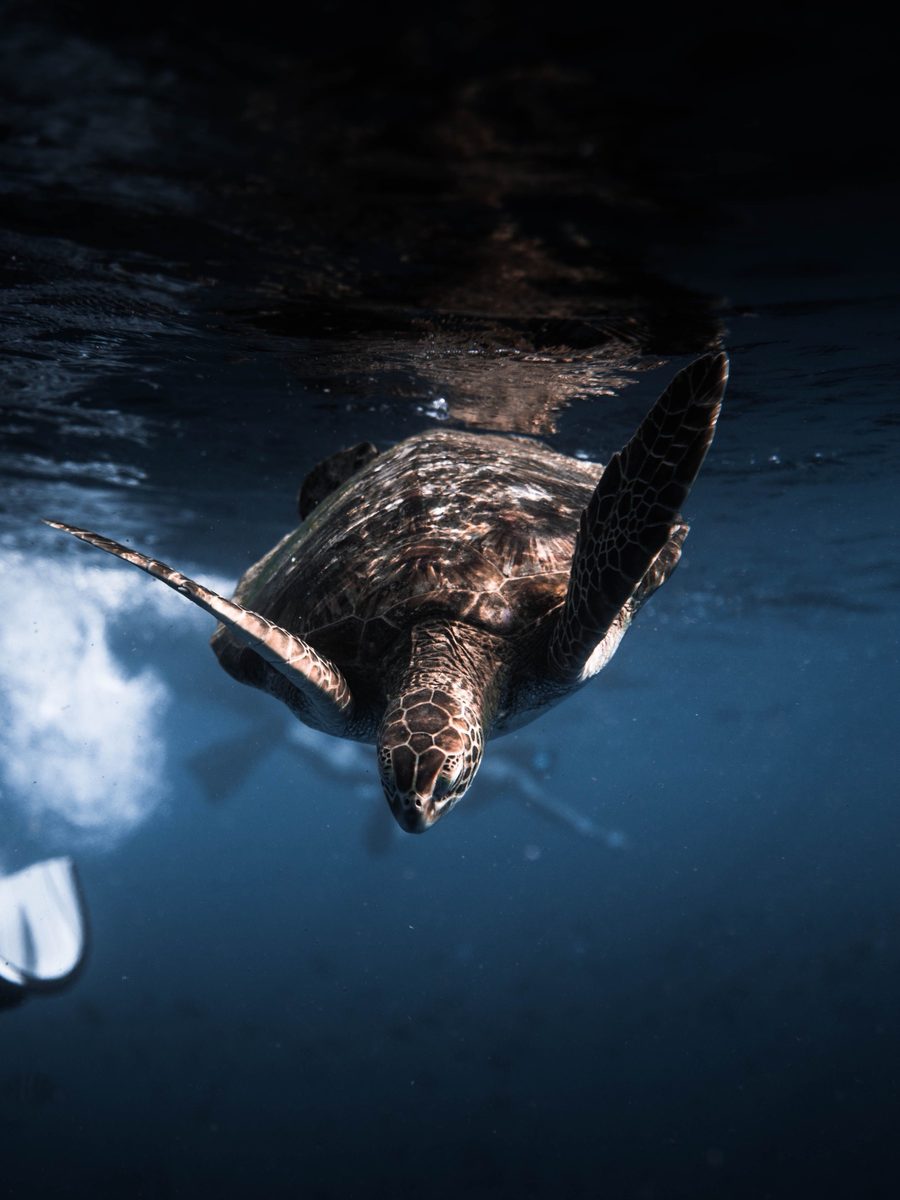
Marine life
- 4. Aquatic mammals. The Open University's OpenLearn. About 5 hours at introductory level: how whales, dolphins, seals and manatees breathe, dive, stay warm, feed and communicate, and how people affect them. Free statement of participation. Aquatic mammals on OpenLearn
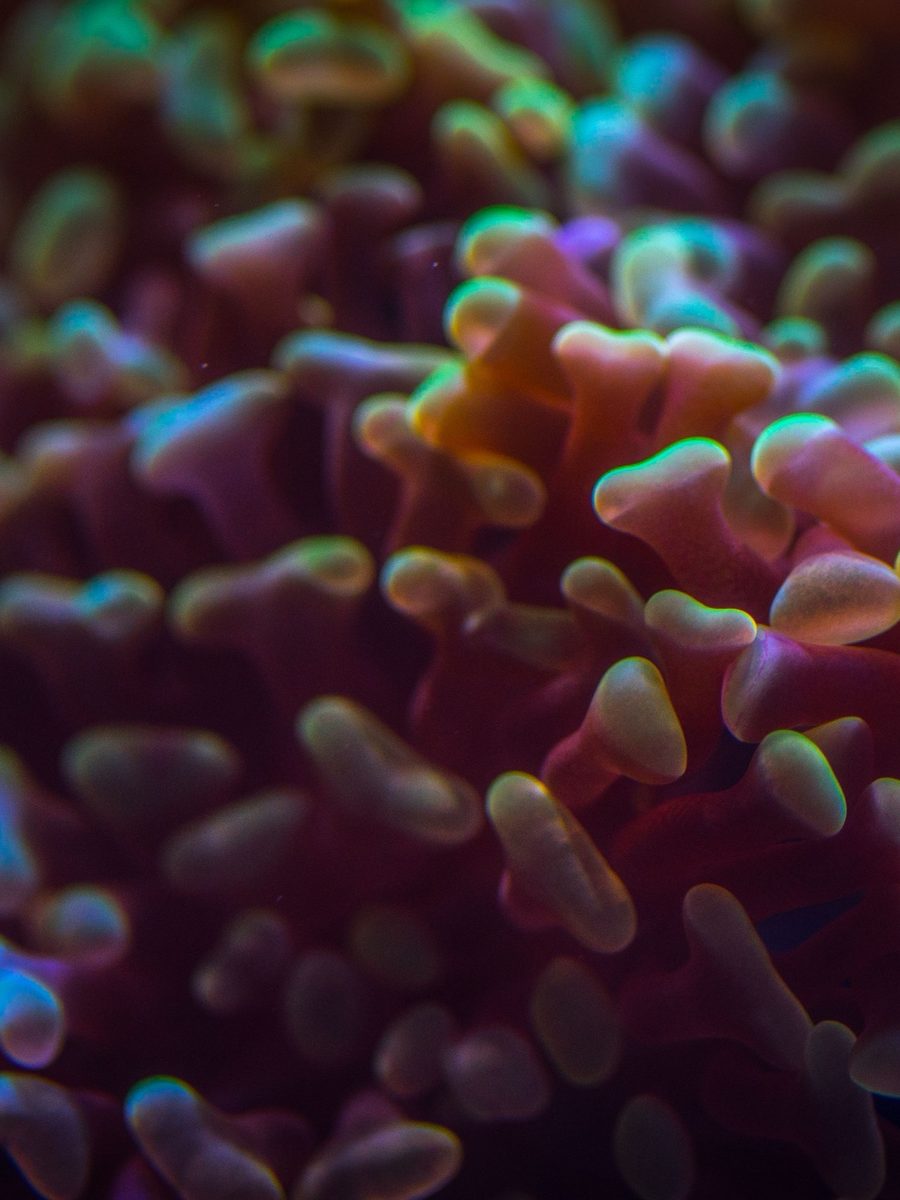
Coral reefs
- 5. Coral Reefs: Introduction to Challenges and Solutions. The University of Queensland (CRRI101x), part of the Coral Reef Rescue initiative. The threats facing reefs and the solutions being tested, with field experts. Free, in English and Bahasa Indonesia. Course details and how to enrol
- 6. Coral Reefs: Sustainable Blue Economy. The University of Queensland (CRRI103x), the follow-on course: how to judge the blue economy where you live and make it more reef-positive. Free, in English and Bahasa Indonesia. Coral Reef Rescue online courses
- 7. Coral Reef Restoration. The Reef Resilience Network, led by The Nature Conservancy. Seven lessons: planning a project, coral nurseries in the sea and on land, larval propagation, rebuilding reef structure, emergency response and monitoring. Free and self-paced, in English, Spanish, French and Arabic. Reef Resilience online courses
Protecting coasts and seas
- 8. Management Effectiveness for Marine Protected Areas. The Reef Resilience Network. How to tell whether a marine protected area is actually working. Free and self-paced, in English, Arabic, Bahasa Indonesia, French and Spanish. Reef Resilience online courses
- 9. Global Mangrove Watch. The Reef Resilience Network. An introduction to Global Mangrove Watch, the online platform that tracks the world's mangrove forests, nurseries for many reef fish. Free and self-paced, in English, Spanish, French and Bahasa Indonesia. Reef Resilience online courses
- 10. Remote Sensing and Mapping for Coral Reef Conservation. The Reef Resilience Network. How satellite images and maps are used to watch over reefs. Free and self-paced, in English, Spanish, French, Swahili and Bahasa Indonesia. Reef Resilience online courses
Short on time? Start with UNESCO's Ocean Literacy course (about 6 hours), then pick one deeper course on the topic you care about most: marine mammals, coral reefs or protected areas.
Which course is right for you?
| Course | Best for | Certificate |
|---|---|---|
| Ocean Literacy (UNESCO) | Anyone curious about the ocean | No |
| The oceans (OpenLearn) | Ocean science basics | Free statement of participation |
| One Planet, One Ocean | The big picture: climate, fisheries, deep sea | Optional, paid |
| Aquatic mammals (OpenLearn) | Whale, dolphin and seal lovers | Free statement of participation |
| Coral Reefs (UQ, 2 courses) | Reef threats, solutions and the blue economy | See course page |
| Reef Resilience (4 courses) | Hands-on reef, mangrove and MPA management | See course page |
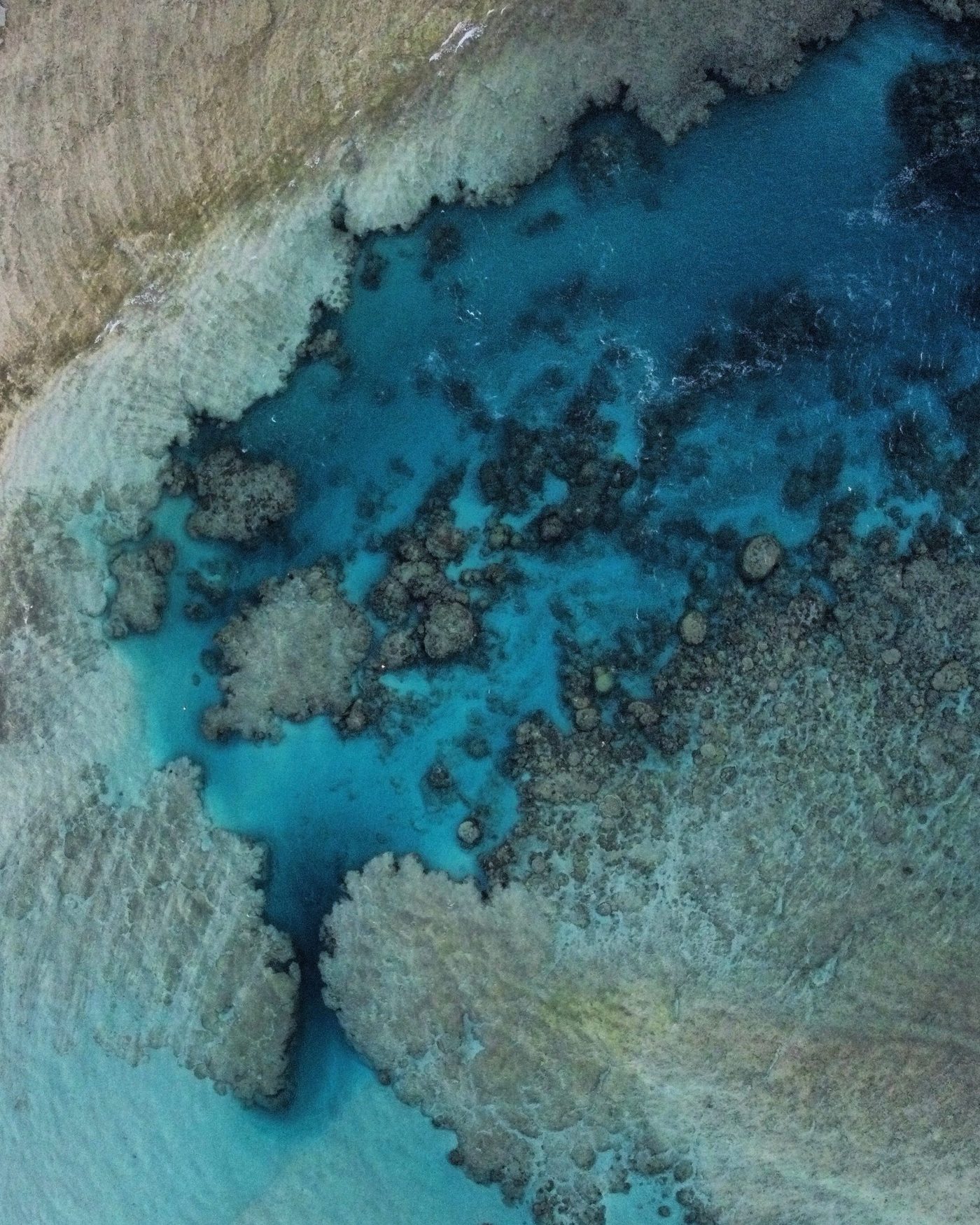
If you dive or snorkel, there is no better classroom than the reef itself. Our ocean guides explain what you are looking at, from the corals and the fish to the currents that feed them.
Questions
Are these marine conservation courses really free?
Yes. All ten cost nothing to take. A few offer an optional paid certificate, and the OpenLearn courses give a free statement of participation.
Do I need a science background?
No. UNESCO's Ocean Literacy course and OpenLearn's Aquatic mammals are written for beginners. The Reef Resilience courses suit people who want practical, field-level knowledge.
Can I take them in other languages?
Several. The Reef Resilience courses come in up to five languages, including Bahasa Indonesia, French, Spanish, Arabic and Swahili, and the University of Queensland coral reef courses are in English and Bahasa Indonesia.
Do I get a certificate?
It depends on the course. OpenLearn gives a free statement of participation; UNESCO's self-paced courses give none; edX certificates for One Planet, One Ocean are paid.