At a glance
Aruba's climate barely changes through the year. Average highs in Oranjestad run from about 30°C in January to about 33°C in August and September, and nights rarely drop below 25°C. The sea stays between about 26°C and 29°C. The trade winds blow almost constantly from the east, which keeps the heat comfortable.
Rain is scarce. Oranjestad averages only about 450 mm a year, and in March and April the monthly total is around 10 mm. Even in the rainy season, showers tend to be short and it is rare for rain to last all day.
Aruba weather by season
| Jan to Apr | May to Sep | Oct to Dec | |
|---|---|---|---|
| Weather | Dry, sunny, breezy | Hottest, windiest | Short showers |
| Average high | About 30 to 32°C | About 32 to 33°C | About 31 to 32°C |
| Rain (Oranjestad) | About 10 to 45 mm a month | About 15 to 45 mm a month | About 75 to 85 mm a month |
| Crowds and prices | High season | Quieter, better deals | Quiet until mid-December |
| Best for | Carnival, escaping winter | Windsurfing, kitesurfing | Value, warm sea |
January to April: the high season
This is Aruba's peak. North American and European winter sends the most visitors, and hotel prices are at their highest from mid-December to around Easter. The weather is close to perfect: March and April are the driest months of the year, with long sunny days and steady breeze.
January and February also bring Carnival, Aruba's biggest festival. The season runs for weeks, with parades and music events across the island, and ends with the Grand Parade in Oranjestad before Lent. Book early if you want to travel then, and check the dates for the year, as they move with Easter.
May to September: wind and value
Once the high season ends, prices ease and the beaches empty out. These are also the hottest months, though the wind keeps the heat in check, and the windiest: the trade winds pick up from about May to October.
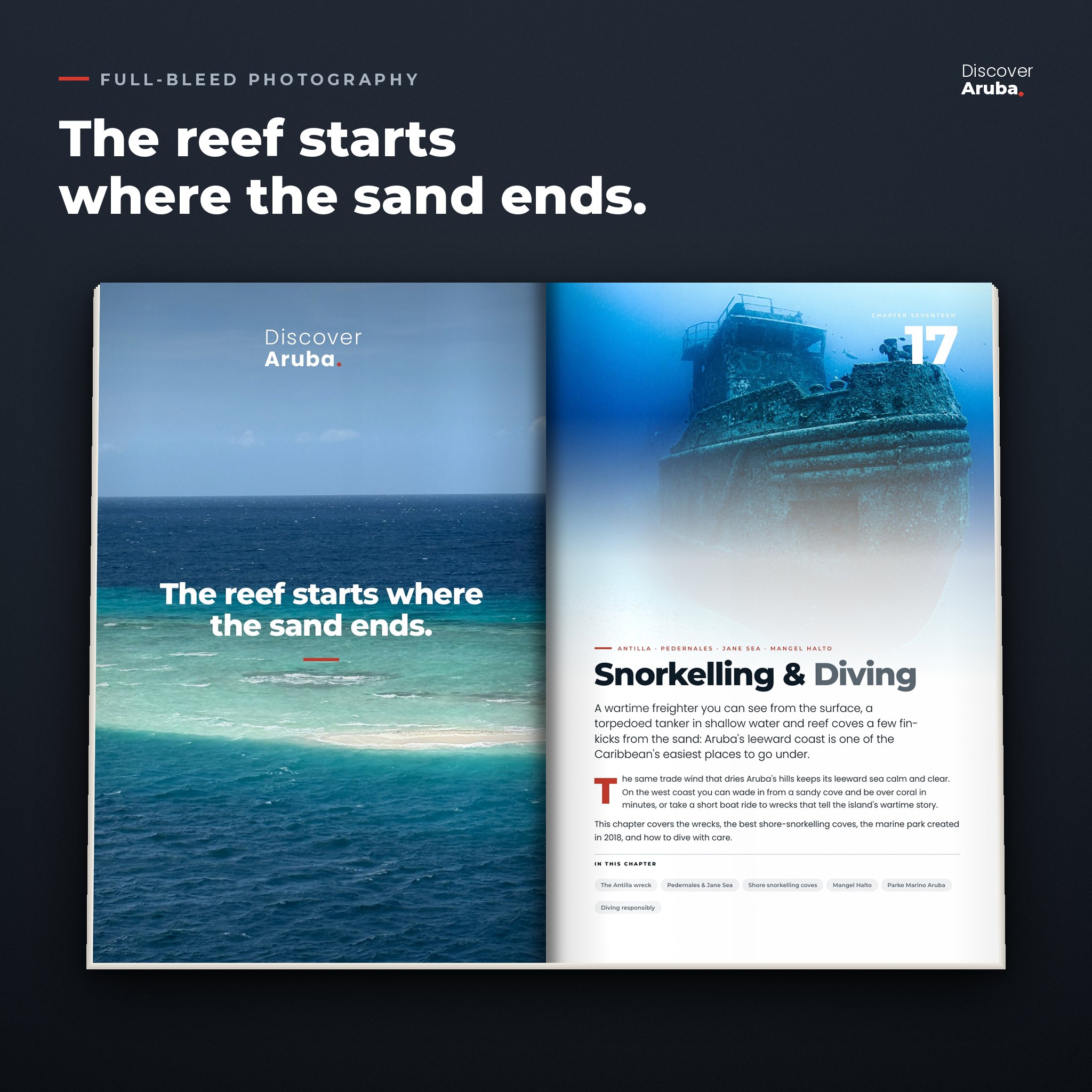
That makes summer the season for windsurfing and kitesurfing, especially off the north end of Palm Beach and near Malmok. For divers and snorkellers it can mean a little more chop on exposed sites, but the leeward reefs and wrecks such as the Antilla usually stay diveable.
October to December: the rainy season
Aruba's wettest months are October, November and December, when Oranjestad averages about 75 to 85 mm of rain a month. By most standards that is still dry. Expect occasional showers, more cloud and the odd grey day, then sunshine again.
It is a good time for value. Until the Christmas holidays begin, hotels are quieter and often cheaper, and the sea is at its warmest of the year, around 28 to 29°C.
What about hurricanes?
The Atlantic hurricane season runs from June to November, with the highest risk from August to October. Aruba sits at the southern edge of the hurricane belt, so direct hits are rare. Storms passing to the north can still bring a lull in the wind, some rain and rougher seas for a few days. Travel insurance is sensible whenever you go, and it is worth checking that your policy covers delays caused by storms elsewhere in the region.
Sun, sea and what to pack
Sunshine is the one thing Aruba never runs short of. Oranjestad averages around eight hours of sun a day in winter and nine to ten in summer, and the sun is strong all year at this latitude. Even on a breezy, cloudy-looking day you can burn quickly, so use high-factor, reef-safe sunscreen and reapply after swimming.
Pack light clothes for the heat, a hat, water shoes for rocky entries and the Natural Pool, and a light layer for air-conditioned restaurants. In the rainy months a small umbrella is enough: showers rarely last long. If you plan to hike in Arikok, bring proper shoes and plenty of water whatever the season.
Local tipIf wind is your thing, come in summer. If you want calm water for snorkelling with the least chop, aim for the drier months of February to April, or for a sheltered spot like Mangel Halto or Baby Beach any time of year.

So when should you go?
- Best weather: March and April, the driest months, with high-season prices.
- Best value: May to early December, outside the school holidays.
- Best for windsports: June to August, when the trade winds are strongest.
- Best for festivals: January and February, for Carnival.
Once you have picked your dates, our 5-day Aruba itinerary shows how to use them. If you are still deciding between the ABC islands, see Aruba or Curaçao.
The full seasonal guide, with Carnival, where to stay and the practical planning chapters, is in Discover Aruba.
Questions
What is the best month to visit Aruba?
March and April are the driest months and among the sunniest. For lower prices and still excellent weather, May and June are good choices.
When is the rainy season in Aruba?
October to December. Oranjestad averages about 75 to 85 mm of rain a month in that period, usually as short showers.
Does Aruba get hurricanes?
Rarely. Aruba lies at the southern edge of the hurricane belt. Passing storms can bring some rain and a lull in the wind, but direct hits are uncommon.
When is it windiest in Aruba?
The trade winds blow all year and are strongest from about May to October, which is the best season for windsurfing and kitesurfing.